After harvest, the hillside goes quiet. The leaves turn and drop, the sap pulls back into the trunks, and the vines go dormant until spring. From the road it can look like a pause, but a lot happens in these months that will shape next year’s wine.
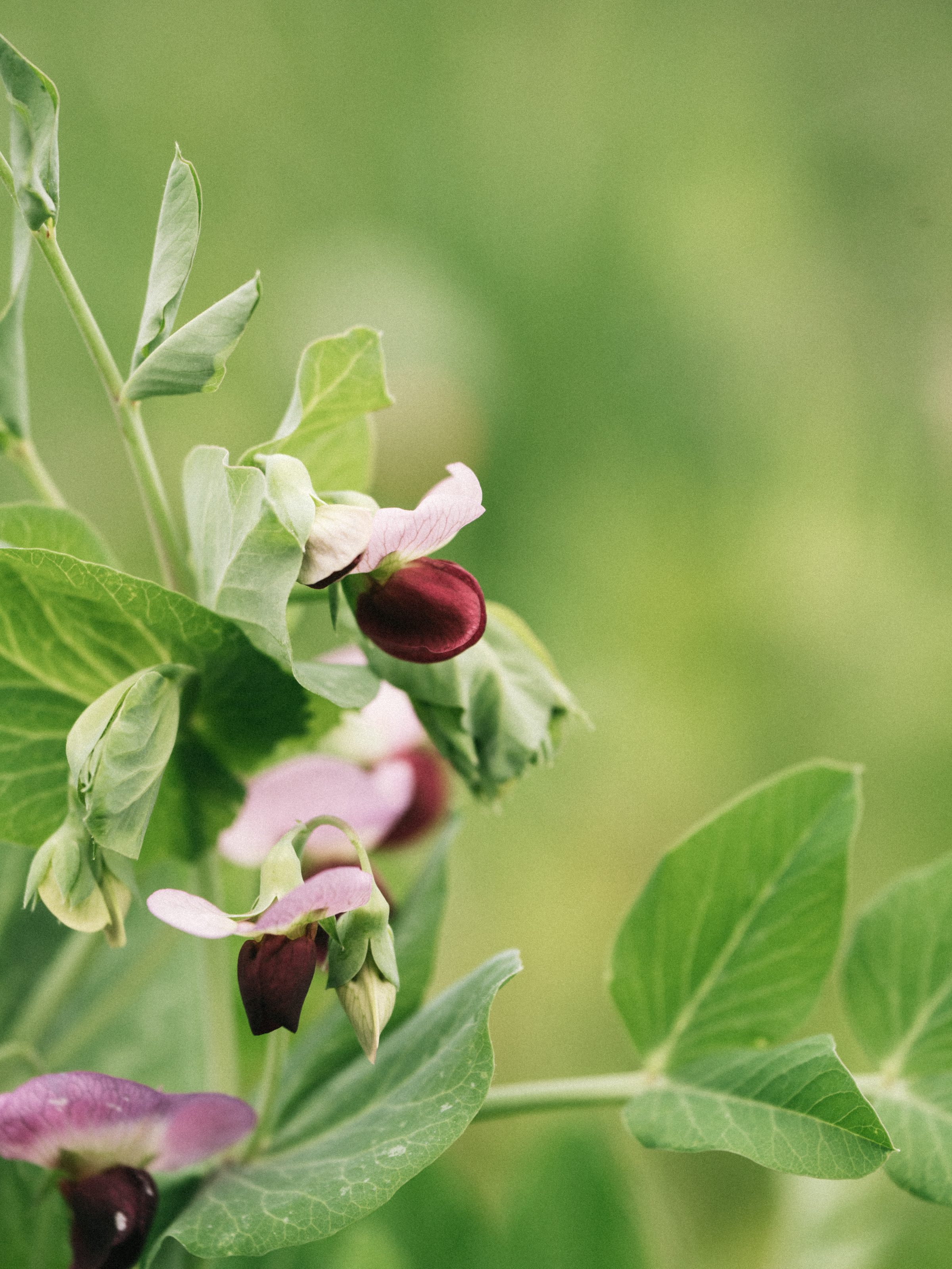
In late fall we seed cover crops between the rows: fava beans, peas, clover and grasses. The winter rains bring them up quickly, and by January the vineyard is green again. Their roots hold the soil in place on our steepest blocks when the storms come through, and they open up the ground so water soaks in rather than running off. The favas and peas also pull nitrogen from the air and fix it in the soil, which feeds the vines naturally when they wake up.
Then the sheep arrive. The flock moves through the rows and grazes the cover crop down, so we don’t have to mow or run tractors over wet ground. As they graze, they return nutrients to the soil. It’s an old way of farming, and it’s one of our favorite sights of the year.
In spring we till the cover crop back into the earth, and what grew all winter becomes food for the next vintage. Good wine depends on healthy soil, and this is the time of year when we build it.