Field NotesWinemaking
The winemaker, in his 42nd harvest at Shafer, on an unusual growing season and what it means for the wines ahead.
4 min read
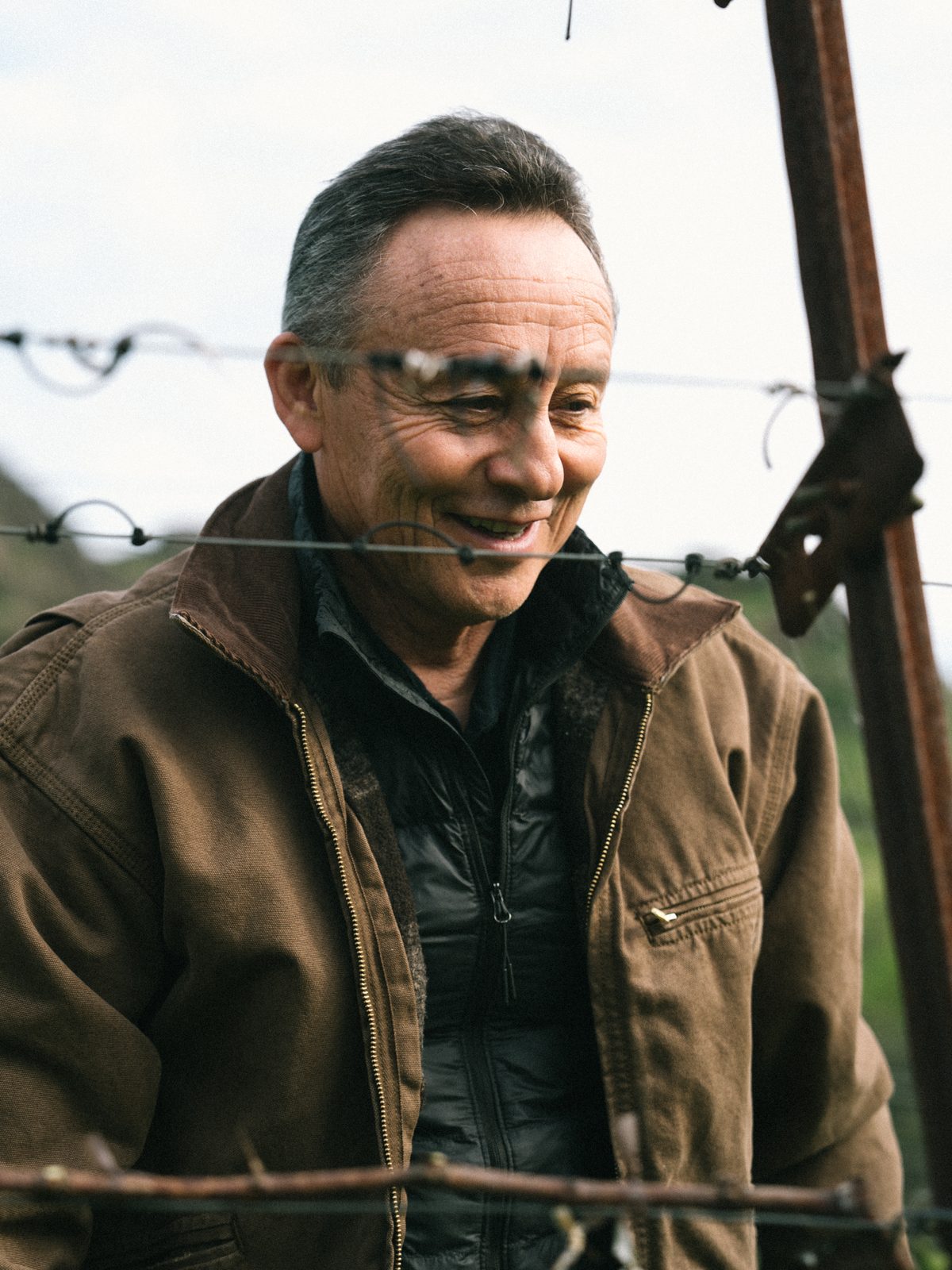
We sat down with Elias mid-pick, between crush pad and hillside, to talk about a season that started early, slowed down just in time, and will reward careful hands at harvest.
This season started with a very early bud break in February. What stood out to you?
We knew early on that it would be an early vintage. The winter was warm and never got cold. Then March was the hottest March I’ve ever seen. It felt like going from spring straight into summer. The soils were already warm, so the vines woke up early on the hillsides and took off. At one point we thought we’d be three to four weeks ahead. In the end it was about two weeks early on the hillside. Chardonnay came in about three weeks earlier than normal.
Things cooled down again in the spring. Did that help?
That was the saving grace of the vintage. Bloom started in late April, and it was cold and rainy, which is normal for that time of year. But it disrupted cluster formation, so crops are down 30 to 50 percent from normal, and we’re seeing that across the board. The early start and the light crop are why everything ripened early. After that, the summer stayed mild without much heat. That gave the uneven fruit time to catch up. The vintage turned out beautifully. The reds have gorgeous color and structure, and the whites have great aromatic intensity.
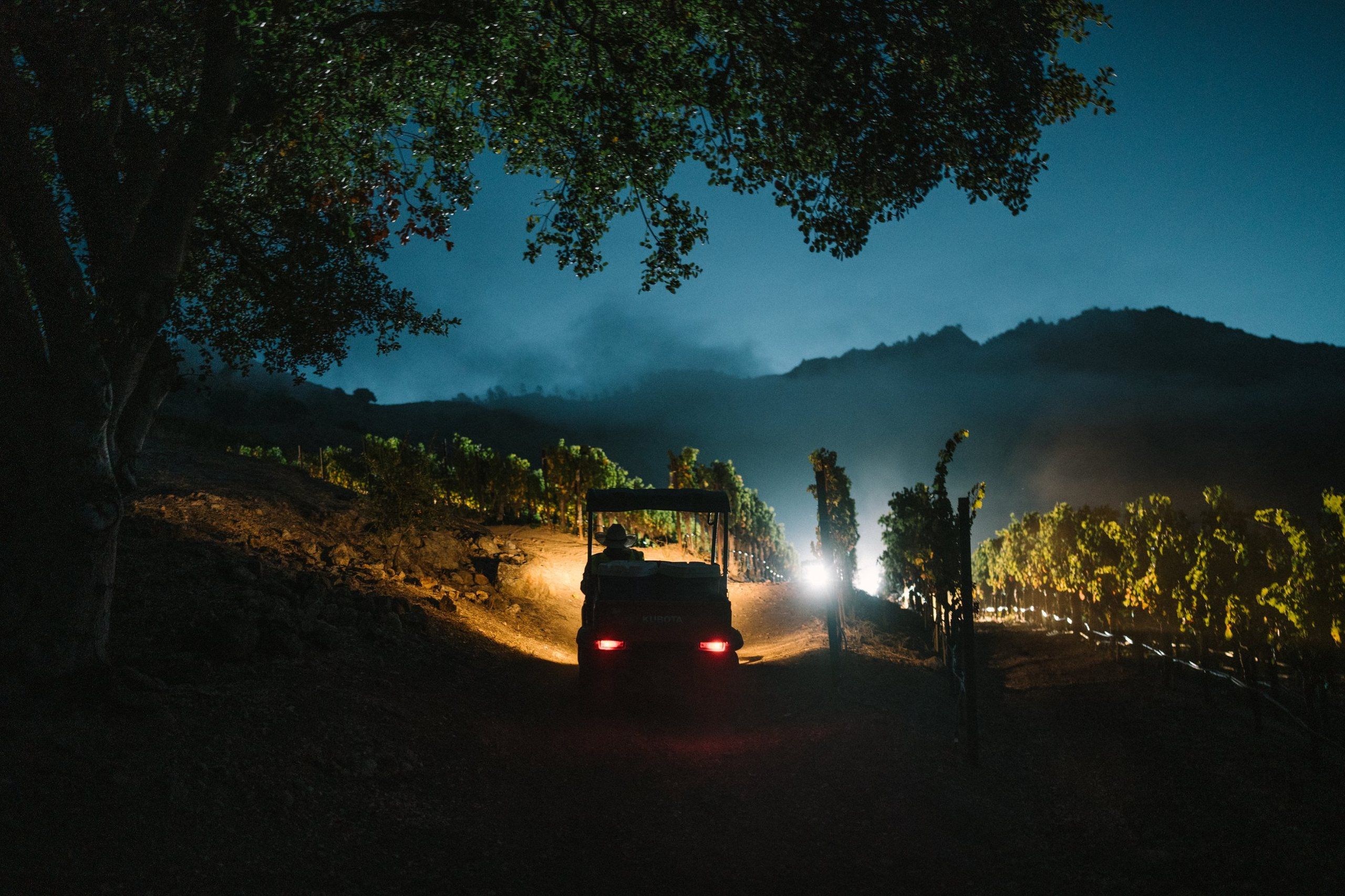
Picking on the hillside at night, harvest 2026.
How do you think 2026 will compare with recent vintages like 2023 and 2024?
It’s a little early to say, since we’re only halfway through and haven’t made the wine yet. It looks likely to be a somewhat more tannic vintage than 2023, 2024 or 2025. Time will tell.
Did anything this summer change how you approached the vintage?
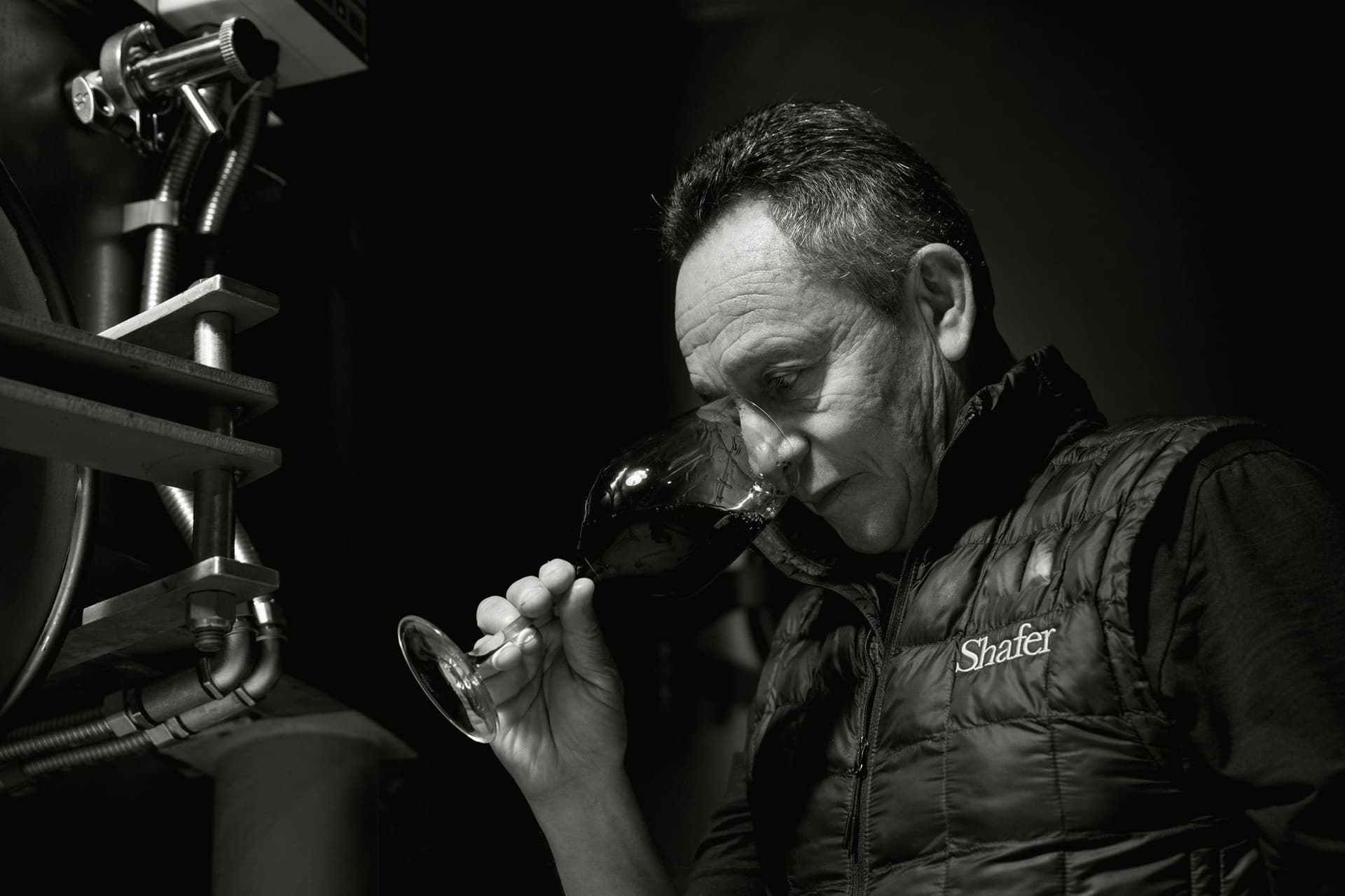
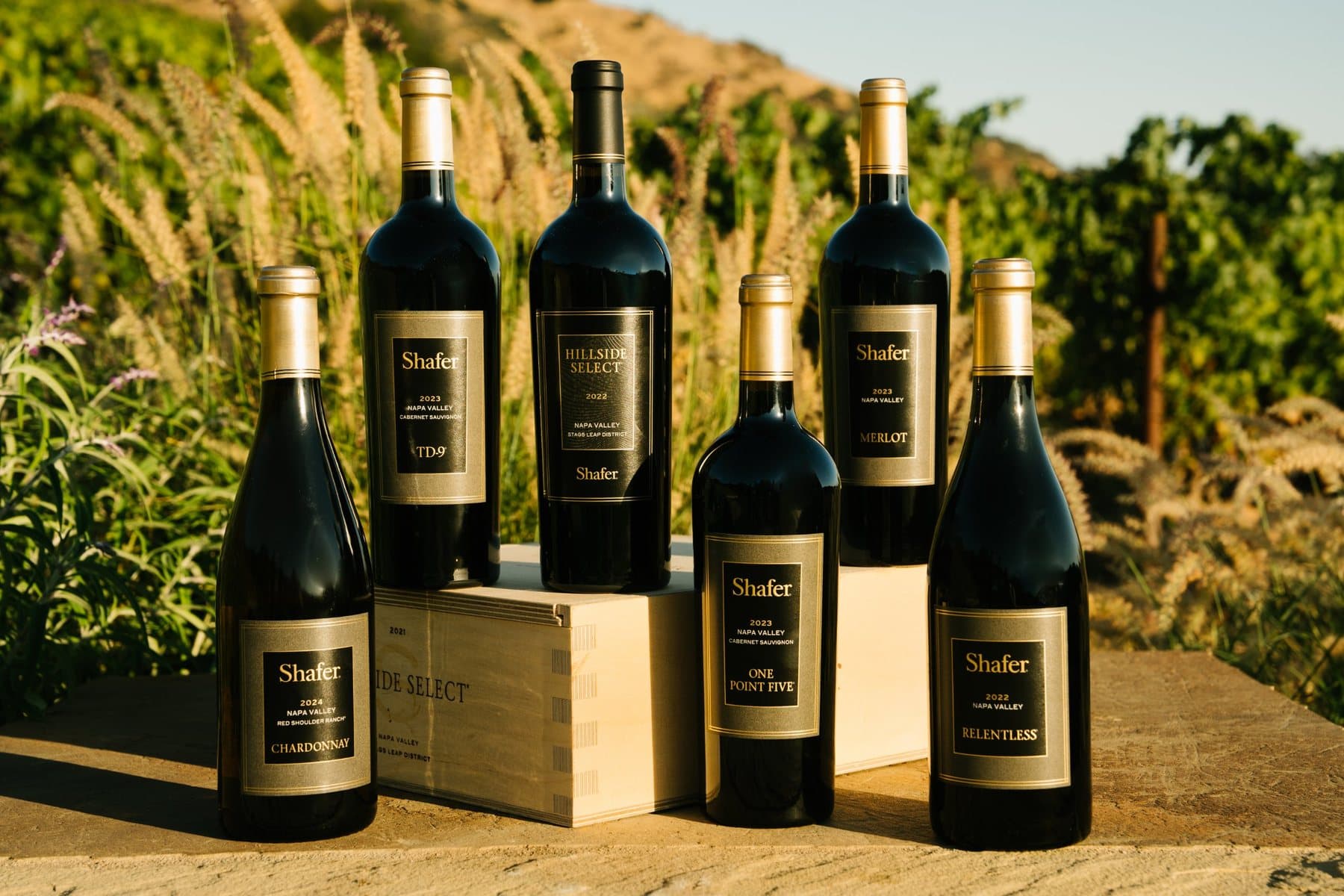
When I saw how variable the fruit was, I knew I’d have to tighten the picking window and taste constantly to see where each block stood. We had to be very selective for Hillside, so we’ll make less Hillside Select than usual. I’m always thinking about the end product. For Hillside, I want the lots with the best color, the most intense flavor and the best balance.
Were there blocks you were especially excited about?
This year I had to pick within blocks. Even inside a single block the fruit varied, because the tops were more affected by the weather than the bottoms, so they ripened at different times. In some blocks we picked only a certain section first. Elsewhere I picked a little here and a little there to make the best Hillside.
Do you ferment each block separately?
When I’m picking in small sections like that, the lots are too small to ferment alone. I need a certain amount of fruit in the tank to do the best job with the wine. So I combine sections from different parts of the vineyard that are very similar. How we do it depends on the vintage.
After 42 vintages on the same property, does anything still surprise you?
Mother Nature, every time. This was an unusual year that took me back to challenging vintages from the past. You pull what you did back then out of the drawer, but you try not to get too caught up in it until you’re closer to harvest. Early on I saw so much variability that I thought it would be a mess. Then the cool-down gave us more hang time, and it all came together better than expected.
Mother Nature, every time.
Do you keep written notes on each vintage?
No, it’s all up here. It’s all memory.
What are you looking forward to as harvest wraps up?
The reds are going into extended maceration, and I want to see how they develop. Deciding when to press is the next challenging phase. After that, it’s about putting the wines to bed. They won’t be blended yet. I’ll let each lot settle on its own, then come back in March to taste them all block by block and see how each one did.
What do you most want members of the Shafer community to know about 2026?
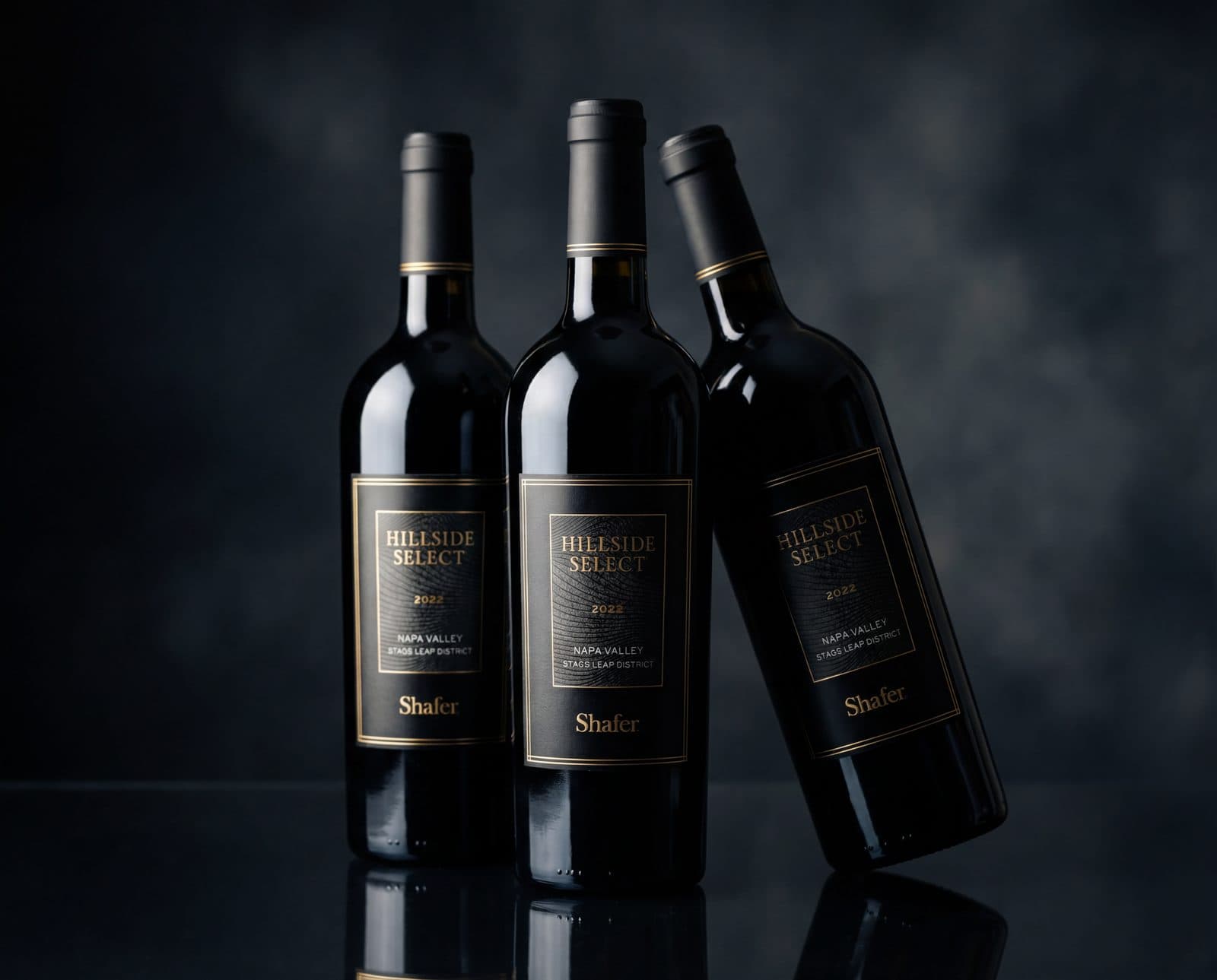
Between my experience and the beauty of this site, we’ll make a wine you’ll be happy with, because I’ll be happy with it once it’s in the bottle. Hillside Select especially is a wine from one specific place. It will reflect our hillside and its complexity: the different clones, the different blocks, and whatever Mother Nature decided to do that year. My job is to choose which lots make the best Hillside Select.
Finally, your drink of choice during harvest?
Water. I eat so many grapes during the day, and between tasting blocks and fermentations all over the property, my mouth takes a beating. Water is your friend during harvest.