The TastePodcast
John Skupny
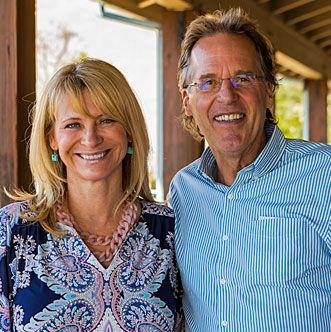
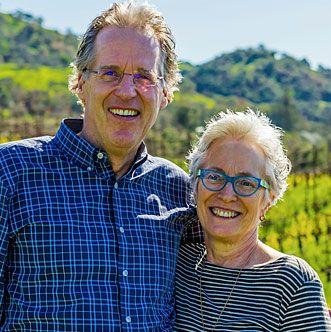
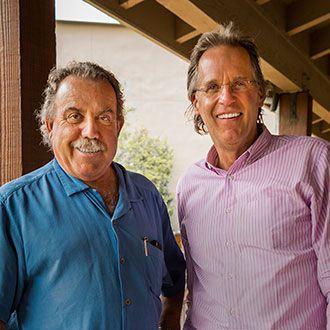
Doug Shafer talks with vintner John Skupny, whose resume includes working with Francis Ford Coppola at Inglenook, Bernard Portet at Clos du Val, and Charlie and Chuck Wagner at Caymus before he and his wife Tracey launched their own winery, Lang & Reed, specializing in Cabernet Franc. For more on John Skupny visit: langandreed.com
64 min listen51 min read
Interview transcript
Doug Shafer
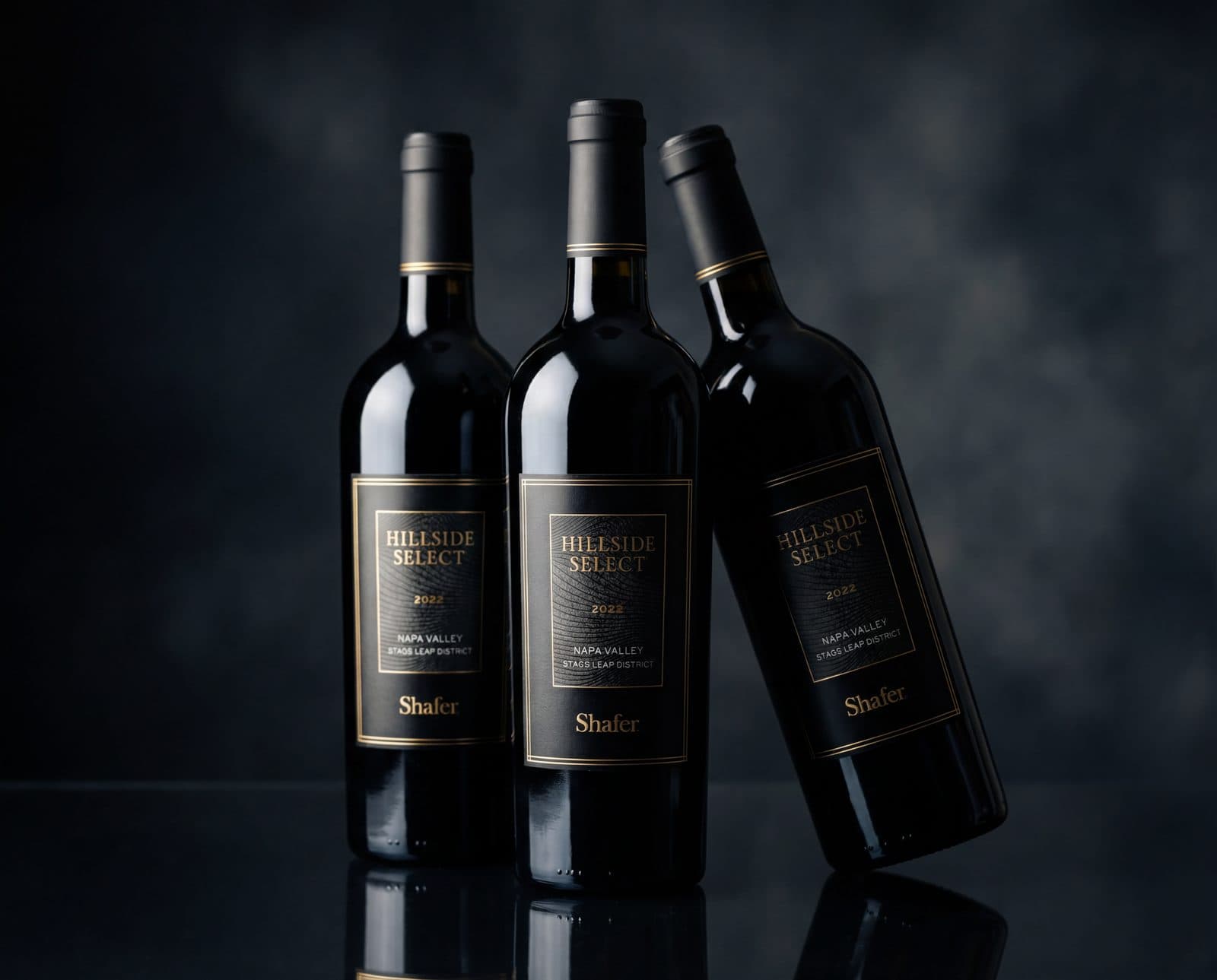
All right. Well, we are here again at Shafer vineyards. I'm Doug Shafer and another episode of the Taste. We have a special guest today. I'm a little prejudiced because he's a really good friend of mine. I don't get to see him enough so we decided instead of going out for lunch, we just do it here with the mics on and have lunch without eating lunch …
John Skupny
Yeah, and that way I get to you, get you to pay for it.
Doug Shafer
You got it. I'm paying today. But with us today is John's company of Lang and Reed Winery. Basically, John Skupny of Napa Valley for the last 30 years and he's …
John Skupny
Well, thank you, Doug.
Doug Shafer
I think you've seen just about all but before we go to Napa, we've got to Minnesota because last go-round here we had [Cindy Paulson 00:02:24] who grew up in Minneapolis and what I didn't know was that … Let me get this straight. You were Cindy's parent's paperboy?
John Skupny
Yeah. Absolutely. I actually moved to Minnesota when I was about seven or eight years old and I met Cindy maybe two years later. We used to ride the same bus together to school.
Doug Shafer
Oh, how funny.
John Skupny
I didn't know her well because when you're two years apart from fifth and fourth grade it's more monumental, but she lived one block over from where we did and for years, my brother and I had a paper route. It was an afternoon route, which was actually pretty civil except on Sunday mornings we had to do the morning paper, the Sunday paper which was just a monumental task especially in 15 degrees below weather or …
Doug Shafer
I was going to say, how do you two the paper boy thing in the weather?
John Skupny
Well, in most days you … Yeah, you couldn't do your bike. You'd do a trailer or a wagon of sorts but, yeah, it was sufferable but I always wanted to make my own money and my dad was pretty keen on even helping us sometimes if it was really bad.
Doug Shafer
Oh, neat.
John Skupny
He'd drive us around in mom's station wagon.
Doug Shafer
How long … I never did a paper route. How long would it take, hour a couple hours?
John Skupny
It take about an hour, hour and a half. In the afternoons it was fast because it was a small paper and you didn't have to compose them. They were just come bundled and you'd roll them up and if you could throw it into the front porch from your bike, you got it but … Well, Cindy's was particularly acute because they lived on Park View Terrace, which was a pretty [inaudible 00:03:51] block and they all had really, really long driveways. Hers went up, kind of up a hill and Cindy had a Basset Hound named Tiny.
Doug Shafer
Tiny?
John Skupny
Yeah. Tiny was an 85-pound Basset Hound and I get the, I'd have to drive up the driveway and I'd get about 3/4 of the way there, tossed the paper, hit the door, wake up Tiny, Tiny just come barreling out. She couldn't really run very fast.
Doug Shafer
So you were safe.
John Skupny
We just sort of like ride off the bike and takeoff on her. Now, the two Dobermans up the block they were a problem.
Doug Shafer
Oh, man. You got to be kidding me?
John Skupny
Oh, no. I was afraid dogs so …
Doug Shafer
I ride once in a while out in the roads and around town and you're always looking at parked cars because they're opening door could be an issue, but once in a while there's some little dog will come out of nowhere, it's like you're not thinking about it …
John Skupny
Yeah. It's the little dogs you have to worry about but these Dobermans were both on a [inaudible 00:04:47] and I had to get just close enough to get, to hit the door with the paper, and then, these dogs would come barreling out at me and I'd be riding off. If they broke the chain I'd have been dead or they would have been scared, I don't know. Anyways, all Midwesterners love when they move to California.
Doug Shafer
Okay, but you moved to Minnesota, Minneapolis when you're seven or eight, where were you born?
John Skupny
Detroit. My dad worked for Ford Motor Company.
Doug Shafer
Okay. I do know he worked for Ford.
John Skupny
During the 60s we were sort of the executive military family because we moved every three to five years. We lived in Minnesota for about four or five years, then moved to Chicago for a year back to Minnesota, and then, Kansas City.
Doug Shafer
He was with Ford all that time?
John Skupny
Oh, yeah.
Doug Shafer
Okay. You're still driving Fords?
John Skupny
I'm still on my dad's …
Doug Shafer
You're still on your …
John Skupny
Ford [inaudible 00:05:39]
Doug Shafer
That's right. I remember you telling me about that. There's perks to our listeners out there, there's perks working with a big corporation. Growing, so you're in Minneapolis for most of your childhood?
John Skupny
About 10 years. Yeah.
Doug Shafer
10 years.
John Skupny
From 7 to 17. The formative years for sure.
Doug Shafer
The formative years.
John Skupny
I moved between my junior and senior year in high school to Kansas City, which at first was a very terrifying thought, but I had moved enough times to know that any kind of move like that takes at least one year of keeping silent and just figuring out what the terrain look like. The best part of the move was I actually met my wife, Tracy, while we were in high school.
Doug Shafer
That was one of my, another one of my questions for you today, sir.
John Skupny
She was a junior and I was a senior and this friend of ours, neutral friend, Denise, I had met at a party like the first or second weekend of school. One guy who became a very close friend, took me under his wing so I wound up going to the hippy parties right away. Denise told Tracy, "Hey, there's this new kid from Minnesota with long hair and he wears his shirts funny," or something like that, and so …
Doug Shafer
That's right. You were long hair. I've seen pictures. Yeah.
John Skupny
I actually had pretty long hair. They spied me out. We wound up not dating until we were in college, but I met her when she was 16 and I was 17 so been a long time.
Doug Shafer
High school after that college was …
John Skupny
First, I went to the Kansas City Art Institute. I had a real great opportunity because of this school that I only really needed two credits, which was history and English and, but I had to be in school until noon. I had to fill out two or three classes and they had these art programs, the art program was like gone either a quarter or a semester basis so you can take Drawing 101 for half a year and so I wound up knocking down about four or five art courses and the counselors were really good at directing what you wanted to do.
I've spent two years at the Kansas City Art Institute, and then, I transferred to, which was a fabulous school but, I had a lot of friends up at KU and they had a very stimulated Art Department too, and so, I had two years there, which gave me an entirely different contrast because we had to fight for everything we did so it wasn't laid out on a silver platter for us. It was fun.
Doug Shafer
Neat. Tracy was at KU?
John Skupny
Yeah. We got together in that transition.
Doug Shafer
Good. We're talking about Tracy Johnson, lovely bride who was ...
John Skupny
Yes.
Doug Shafer
She's the best. Art, art, art, and then …
John Skupny
We, uh, by the time I was a junior in college I knew I had to learn how to make a living because throwing paint wasn't going to do it. I went to college post-revolution so to do anything commercial was out of the norm. I probably would have had a really good career in design, but to do something commercial you were thrown under the bus. We were all hippie paint throwers and silkscreen. I have a degree in painting and printmaking.
Doug Shafer
You still … I don't know. I know you've got your dogs. We'll talk about that later but you still paint?
John Skupny
Oh, no. I gave it up.
Doug Shafer
You gave it up?
John Skupny
Yeah. I kind of gave it up my senior year of college even though they didn't figure it out. I graduated.
Doug Shafer
Was that frustrating? Any regrets?
John Skupny
No. No regrets at all. I think everybody should start with a great liberal art education, which I did. Mine was uber liberal art because [inaudible 00:12:33] did I have to take a whole lot of science. They did make us do two or three series of them and, but KU had designed actual science classes for those of us in the Art Department, which was great because it tell us a lot about physical natures of oil and water and light and that sort of thing.
Doug Shafer
Well, I'm a little jealous because I did the whole science gig straight through the whole thing and all of a sudden, you look back and go just to have a little background in art history or some of the classics or literature. Just to have a more of a well-rounded education. I miss that, and so, I kind of …
John Skupny
Well, I'm surprised because being a teacher also should have given you some of that …
Doug Shafer
Yeah. That's right because I taught for a couple of years. Well, yeah, that was more just education classes, ed psych, but it wasn't like the arts and all that because I ended up teaching math and science.
John Skupny
Serious? I never knew you were a left brainer.
Doug Shafer
No. I'm not but it was junior high.
John Skupny
Okay. That might have been fun. I always thought I could have been a good teacher.
Doug Shafer
I loved it. I loved it but I have a confession to make. I never really figured out algebra.
John Skupny
Oh, yeah. No. That was definitely my block.
Doug Shafer
Until I had to teach it. I was basically like, I was like a week ahead of my students through eighth graders stuff so like a week ahead. Actually, I think I was a better teacher for it because I was like …
John Skupny
Investigating it through …
Doug Shafer
… this is what this is guys.
John Skupny
Sure. I've always found that, but I never figured out algebra. We were definitely, even to this day I, as a winemaker you're supposed to have this sort of one foot on the left brain and one foot on the right brain to really come up with something great, but more than once through harvest I'll be calling Tracy and say, "Okay. If it's X over … If its X over seven."
Doug Shafer
I need this proportion … Yeah. I need it on this percentage.
John Skupny
Okay. Here's the 100%, what I need to do is figure out what 15% of that is beforehand.
Doug Shafer
That's funny. That's funny. Well, yeah. Winemaking, a science and art. You got it. You had to get a real job.
John Skupny
Restaurants.
Doug Shafer
Restaurants?
John Skupny
Oh, yeah. I had been working in restaurants since I'd been 15. First at John's number one son in a strip mall in Minneapolis, which was asshole Cantonese restaurant.
Doug Shafer
Wow.
John Skupny
That's where I learned to prep and wash dishes simultaneously. My mother would make me take a shower when I'd come home because I'd smell like rotten celery. I was making like a dollar 45 an hour maybe and I went across the strip mall to a place called Jolly Hole, Jolly Troll. We used to call it Jolly Hole. That was …
Doug Shafer
Got it. Jolly Troll.
John Skupny
Then, as the years went on it was just finer and finer restaurants till college time we're both Tracy and I wound up at the same restaurant in this historic hotel in Lawrence that had a reasonably liberal liquor license compared to what the rest … The rest of the state was technically dry. There were a few places where they had memberships and it was very confusing but it was actually a great deal to buy wine in the restaurant.
Doug Shafer
Lawrence, Kansas …
John Skupny
The Berkeley of the Midwest.
Doug Shafer
You're 20, 21, you got long hair, you're a hippie. What's …
John Skupny
What kind of wines?
Doug Shafer
Well, no. Forget about wines. I mean talking about living day to day, was it like, was there a whole redneck thing …
John Skupny
No. It wasn’t that kumbaya.
Doug Shafer
Yeah. Were you like the hippie outcast?
John Skupny
No. By then, once college came there was … My hair was still pretty long but it was a college town. It's 28,000 students so that was the dominating thing. For Kansas in the Midwest, it was the more, one of the most liberal towns. Not quite Madison, Wisconsin but it was pretty loose and, but I was starting to learn service, and so, you had to clean my act up for that. By the time I was a senior I was working almost full-time at this restaurant, and as soon as I graduated I was made a manager. Being the assistant general manager eventually I wound up with the duties of buying all the wines and spirits for the restaurant.
Doug Shafer
Any background in wines at that point?
John Skupny
No. Not really. Simultaneously and a little bit before that, Tracy was in advanced reading classes, and so, she was reading about when a one whole semester was the food and wines of France and prior to that move most of my work in restaurants had been in the back of the house and cooking so we started cooking for friends and it was … You didn't drink hard spirits or beer when you were smoking pot, you drank wine it was better. You'd start with Mateus and Lancers, and then, moved to Beaujolais, and then, suddenly it's [inaudible 00:17:59] around and …
Doug Shafer
I did the Mateus thing and Boone's Farm too. That was a big one for me.
John Skupny
Oh, yeah. Well, that was ski days only. Try to vomit out of a bus rolling down the highway with ripple peg in pink.
Doug Shafer
Oh, ripple. Oh, man. All right. The fine wine thing just kind of happened? It just happened or because you were buying wine so you were getting people, reps were walking in trying to sell you wine.
John Skupny
Well, because of this weird law in Kansas we had to buy all of our wines from retailers at retail. They wouldn't even deliver it to us. We had to go pick it. We had to go do a daily pickup at numerous different retail shops in Lawrence and one of them was a fine wine distributor and one was, or not distributor, fine wine shop and the other was where we'd get the beer and the others where we'd get the spirits. There were two shops that focused on wine and we had this group of foreign nationals going to school in Lawrence who had all mostly done their primary education in England. They all knew what Claret and champagne was. They had money. They were from Tehran or Venezuela so we stocked them and we started drinking [inaudible 00:19:10] and then, special occasion can you find us something good? How about '59 [inaudible 00:19:16]. It was only $20, $25 per bottle.
Doug Shafer
Oh, man. Well, fun. This is mid-70s, and so …
John Skupny
In '75 I became the buyer so that's the year I tagged that, okay, I was in the wine business, even though I did soup-to-nuts for the restaurant.
Doug Shafer
We're tracking. '73 we moved out to Napa, graduated '74, so '75 I'm at Davis and you were out …
John Skupny
It was simultaneous.
Doug Shafer
Yeah, simultaneous. Then, how did you get to Napa?
John Skupny
Well, Tracy and I got married in 1977.
Doug Shafer
You got married in …
John Skupny
In Switzerland.
Doug Shafer
I thought it was France.
John Skupny
Well, Jim [Lovi 00:19:56] misquoted that. It Reid and Megan who got married in Chinon. He put …
Doug Shafer
I know that. Reid is John's son who just got married in Chinon two or three …
John Skupny
Yeah, nine years ago.
Doug Shafer
Nine years ago? Nine years ago? I thought it was like two years ago.
John Skupny
No. Next month, nine years.
Doug Shafer
Wow.
John Skupny
Yeah. 2009.
Doug Shafer
Okay. So you were married in Switzerland and you guys got … How did you get married in Switzerland from Lawrence, Kansas?
John Skupny
Well, Tracy and I had broken up. We'd done together for four years and … Well, three and a half years and I graduated a year before she did so we were in different life paths and I was working until midnight. I had a bevy of cocktail waitresses to manage and all that goes with working with hard in a restaurant is you played hard so I should shut that off and you guys can …
Doug Shafer
Was that you?
John Skupny
Yeah. It was me.
Doug Shafer
John's body is beeping but he's just turned it off. Camera Crew: Guys outside.
John Skupny
Yeah. Sorry. That was me. We were on different paths. She was still in school and we kind of fell apart and split up and in the spring of 1977, my best friend who had won that senior scholarship had spent the whole year traveling around South America, I need a break.
Doug Shafer
We got to take a break.
John Skupny
I got this low funk.
Doug Shafer
Well, take your time. We're taking a break, Tim.
John Skupny
I'm good.
Doug Shafer
You sure?
John Skupny
Yeah. This close friend of mine had won this scholarship and it was a no-holds-barred. You could do anything with the $5000. He would spend a whole year in South America while I work 70 hours a week for 2% of the net, with no net. He came back and he said, "Oh, you should go back with me." I said, "I'm ready." I had a lot of cash because I didn't have time to spend the money. I went to South America and Tracy was graduating in May and her parents for her graduation we're going to send her to Europe for the summer. She had an aunt and uncle who lived in Zurich. We talked the night before she left for Europe and I kind of thought, "Hey, I could lose something really important in my life if I don't do something about it." I chased her over to Europe. I kept sending telegrams. You remember what a telegram is?
Doug Shafer
I do.
John Skupny
Before telexes, before faxes, before … I'd have to go downtown [inaudible 00:22:21] to the communication center …
Doug Shafer
Send a telegram.
John Skupny
… and send a telegram and I had sent three and I said, "I can be in Luxembourg on the 14th of June if you want me to be." That was the key question and …
Doug Shafer
The big if.
John Skupny
I got no answer back the first two and finally the third one I got a response. She said, "Sure. I'll be there." I found out later that she was actually traveling down to southern France to get on a ferry to go to Corsica. Right before she got on the ferry she called her uncle Jake and said, "Hey, I'm going to be out of communications. I just want to let you know." He said, "Hey, Tracy, that you got these three telegrams from John, do you want me to open them?" She said, "Yeah." She canceled a trip to Corsica. 40 years later I still owe her the trip. Never gone to Corsica.
Doug Shafer
You better …
John Skupny
Anyway so headed back north and we met up in Luxembourg and she … Because of the communication across the world she thought I was coming in on the 13th and I was actually landing on the 14th so she came out the one day and I get off the plane. It was a [inaudible 00:23:35], remember Icelandic Airlines?
Doug Shafer
Right.
John Skupny
But she was there the second day and she had rented a … Actually, a really nice hotel room and had a bottle of '73 Mouton to Canton so …
Doug Shafer
But you weren't engaged, right? It was just like …
John Skupny
No as good Catholics, we were about to sin. That night, I asked her to marry me, and she said, "Oh, under one circumstance." Which was definitely a Tracy move. I said, "Oh, great. What's that?" She said, "We get married here." Her grandparents then. Reasonably good Catholics and it covered up a lot of things. She did not want to get married in the church. I was a recovering Catholic by that time.
Doug Shafer
Right. That's romantic. How wonderful. How cool.
John Skupny
About a month later, it was exactly a month, it was on Bastille Day. We got married in a little community right outside of Zurich. There was the mayor. She spent all night long' learning the English part of the marriage ceremony and we had Jake, Tracy's uncle, and then, [inaudible 00:24:38] the neighbor lady as our witnesses so it was cool. We celebrated our 40th anniversary last summer.
Doug Shafer
Wow. Way to go. Way to go, man.
John Skupny
Then, it was wine. By that time we had both decided …
Doug Shafer
It was wine.
John Skupny
Yeah.
Doug Shafer
She was too?
John Skupny
We got back to Kansas City. We continued to work in the restaurant business. I worked first with the American. She worked at Plaza III, which still exist.
Doug Shafer
Plaza III.
John Skupny
Then …
Doug Shafer
Got to [crosstalk 00:25:03] Plaza III, this great steak house. I'm just jumping in here because this is the only time that's ever happened to me, we're traveling on selling wine and I've done it a lot, and so, it was probably April, early May, it warm. We do a trade lunch at Plaza III, which was like in its day was the steak house in Kansas City. It was just fantastic so it was like eight or nine people, the preset thing little salad but then you'd put this incredible piece of meat, just, but it's warm and some, we were drinking red wine. I'm with this gal, she's a rep, and after lunch she's like, she were driving somewhere to call in some account. It's like 20 miles away. I fall dead asleep. I mean …
John Skupny
In the passenger seat?
Doug Shafer
In the passenger seat.
John Skupny
Drooling on yourself?
Doug Shafer
I'm drooling truly because I woke up, it was like, "Oh, my God. I've been drooling." I look at her and she looks at me and she goes, "Are you okay?" I go, "Yes." She goes, Well, I wasn't sure if you were asleep or you were dead." I was so embarrassed. I was like, I said, she goes, "I was going to wake you but you look like you really need to take a nap." I said, "Well, thank you." Out like a light. Okay, sorry.
John Skupny
Especially when they pull over and call their orders and it's like, "I'm checking out here. I'm not even looking at my phone."
Doug Shafer
Yeah. Okay.
John Skupny
That's great. Was Duane [crosstalk 00:26:19] …
Doug Shafer
Yeah. Duane was there.
John Skupny
Yeah. Duane was a senior waiter when I worked there.
Doug Shafer
At Plaza III.
John Skupny
When I worked there Tracy worked there first as the assistant wine steward. They didn't call [inaudible 00:26:29] in the day. I was across the street at a place called La Méditerranée as a captain.
Doug Shafer
Got it.
John Skupny
She had been a waitress there and that it was after the flood of '77 they instituted the really fine wine program and hired this gal named Diane to be the first on floor service person in a wine store. She needed an assistant to cover for two days and Tracy did it. She otherwise worked at the better, the best French restaurant at the time, which was called [inaudible 00:26:59]. Diane left, they offered Tracy the job. She said, "No. I want to stay at [inaudible 00:27:06]." She had a better wine list too. She said, "But I do know somebody who would really like this job." I got in and wound up working for Plaza III, Gilbert Robinson, for two years. One of the junior waiters was Doug Frost.
Doug Shafer
Doug Frost, he was a MS and …
John Skupny
MW. Yeah.
Doug Shafer
MW?
John Skupny
One of the few doubles.
Doug Shafer
He's got them both?
John Skupny
Yeah.
Doug Shafer
Buys the wine for United Airlines? Great guy.
John Skupny
Yeah. He come out … He was in drama school at the time and I was looking … Plaza III had been such a historic establishment, it had a lot of senior staff and it had a lot of young people coming through and there was not, motivating the senior staff was pretty difficult, but motivating these young guys was pretty easy and there were a lot of tastings going on. Kansas City was a pretty stimulated market. If I found somebody who seemed to be interested because it was a big floor and I couldn't do the whole, you couldn't cover it all as well as you could. You really had to have the wait staff in the program.
Doug Shafer
Doing it. Right.
John Skupny
Doug, early on, he was so good at a table because of this drama stuff.
Doug Shafer
That's right.
John Skupny
He's a drama student. He was really into service and he got it. He never shrugged duty. I said, "Hey, you seemed to enjoy this. I see [inaudible 00:28:23] wine tasting." I took him to a couple and boom. He blames me on bad days.
Doug Shafer
Yeah. You're the one that was, you're responsible for Doug Frost and all the good things he has done.
John Skupny
Yeah. Bob [inaudible 00:28:35] was also in the scenario at the time because his uncle Cliff …
Doug Shafer
Cliff.
John Skupny
Harry [inaudible 00:28:41].
Doug Shafer
That's right.
John Skupny
When we were competing who could be the, who could have the hipper list.
Doug Shafer
That's fun.
John Skupny
When white Burgundy's were hip.
Doug Shafer
That's right. All right, so then …
John Skupny
Then Kansas City to here.
Doug Shafer
… how did you get to Napa Valley?
John Skupny
Well, the summer of 1980 was so blistering hot and I worked in a tuxedo every night and Tracy worked downtown so she got to use the car. I had to walk to the Plaza each day and it was so bad and we were getting close to our anniversary and normally we had agreed not to buy individual presents, we'd buy something for each other together, mutually decided upon. Well, I went into a travel agency and I bought two round-trip tickets to California and said, "I got to get a job."
Doug Shafer
Wow.
John Skupny
I buffed up my resume. My boss knew I was going for that purpose. They had offered me some work and a managerial position, Gilbert Robinson, but it had nothing to do with wine so I contacted all the people I had been buying wine from. Wilson Daniels, the people at Domaine Chandon, Mondavi afforded me an interview. About two days before we left there was a little advertisement in the Wine Spectator when it was a fold over newspaper. They were looking for a marketing and sales support manager for a company called Vintage Wine Merchants in San Francisco. I called him …
Doug Shafer
They were a distributor?
John Skupny
They were a marketing company.
Doug Shafer
Marketing company.
John Skupny
Like a Wilson Daniels.
Doug Shafer
Okay.
John Skupny
They actually took possession of the wines from the client wineries, and then, we'd go sell it.
Doug Shafer
Got it.
John Skupny
This was right up my alley because they wanted somebody who could make brochures and collateral material, do writing, copy writing work with artists and writers and photographers to do … We had 10 different wineries we worked for and the interview was on our way to the airport to fly home. I had done Mondavi, had done Domaine Chandon, I done Wilson Daniels …
Doug Shafer
This is like 1980, right?
John Skupny
Yeah. It was August. It was July of '80. It was around our anniversary. This was on the way to the airport to come home and we really didn't want to do San Francisco. We wanted up here or on the other side and I got the job. I got home and I had a phone call from the, one of the co-owners, Gary Topper, and he said, "We'd like you to come out as soon as possible." We packed up and moved on August 20th and got the dog and a 20-foot rider trailer truck and fill it up with everything we owned.
Doug Shafer
That must have been really exciting, really scary because it's like you're going to a job you haven't done before.
John Skupny
Oh, yeah. Definitely.
Doug Shafer
How do you know if you're going to like it but you're leaving and moving to a new town.
John Skupny
It was spooky.
Doug Shafer
That's gutsy.
John Skupny
Tracy wanted to move. We had a lot of relatives, we all both had a lot of relatives in the Kansas City area. My parents had moved back to Detroit, but she wanted to spread her wings and we had decided we were going to move even before that hot summer. We just couldn't decide whether or not it was California or if we were going to go back to Europe.
Doug Shafer
Got it.
John Skupny
She was pretty fluent in French but I'm linguistically challenged so it going to be a chore. I was thinking to go into hotel school in Switzerland and, but I wound up with this job and we did the national sales and marketing for [inaudible 00:32:00], Montelena, St. Jean, Sutter Home, Stonegate, Raymond, McDowell, Concannon and Villa Mount Eden.
Doug Shafer
Wow and you were based in San Francisco then?
John Skupny
Mm-hmm (affirmative).
Doug Shafer
Got it.
John Skupny
Beautiful old Victorian [inaudible 00:32:13]. I lived, we lived two blocks away. I walked work or I rode my Vespa. It was, we called it BC. It was before children. We had no money. It was a lateral … Financially, it was a lateral move from a very easy time to live into a very expensive time to live in but it was rich.
Doug Shafer
Were you traveling or just … You were connecting with all the winery so you're coming up and down to wine country and all that.
John Skupny
Right. I didn't do much travel. I do, we do national festivals I would go, but I wasn't a salesman. I was … I, at least, once every two weeks, I was up either in Napa, Sonoma, and Mendocino and/or later Lake County because we did all, we had [inaudible 00:32:55] in Lake County.
Doug Shafer
You mentioned Sutter Home because I heard a story about you in Sutter Home.
John Skupny
Oh-oh. Good?
Doug Shafer
White Zinfandel.
John Skupny
Oh, yeah, White Zinfandel. That was …
Doug Shafer
That was a brand new product …
John Skupny
It was.
Doug Shafer
… that they came out with and they probably came to you, guys, and said, "We've got this White Zin and we wanted …"
John Skupny
Yeah. Nobody really wanted to sell it because there was a question whether or not it was fine wine or not.
Doug Shafer
Well, I think you were on record saying this isn't going to work or maybe I misquoting you so correct me.
John Skupny
I actually … No. That was a misquote because I actually knew that, I knew by that time that companies of that nature had to have a truck filler and our focus was, it was our Italian winery, the [inaudible 00:33:39] group that would fill the truck with reasonable FOB wine. I think, I wasn't very dubious of it because the concept was that it was [inaudible 00:33:48] or a Blanc de Noir kind of wine, which I was familiar with because I had actually stocked [inaudible 00:33:54] wine so I had our wine list for that. I think we had 30, the [inaudible 00:34:00] did their own marketing in California and we did all their out-of-state and export. I think our allocation that year was 30,000 cases.
Doug Shafer
Oh, wow. For the country?
John Skupny
They did 30,000 cases in California, and by the time I left in '84, in the winter of '84 we were up to about 650,000 cases out of state.
Doug Shafer
Out of state.
John Skupny
We were … The marketing and sales support department was working 50, 60% of its time on that brand. We came up with America's wine and all the collateral that went with that and because it was like America's Team.
Doug Shafer
I'm with you.
John Skupny
That was the first time we had kind of taken that direction, otherwise it was swirling and sniffing. I used to have to …
Doug Shafer
But you were right, but how cool. You were right there when that thing … because it exploded.
John Skupny
Oh, it did.
Doug Shafer
It just did.
John Skupny
We went from like 15 employees to 50 employees in about 2 years.
Doug Shafer
Because of White Zin?
John Skupny
Yeah.
Doug Shafer
Sutter Homes White Zin.
John Skupny
Yeah.
Doug Shafer
That's incredible.
John Skupny
But we were still … Other wineries were growing not quite like that because that FOB was in the 30 to 40, $50. That sounds crazy but remember this is when Napa cabernet was 8 to 10. But Montelena was growing and their challenge was they had won the Paris tasting and became a Chardonnay winery when in reality the whole thing was predicated on making Cabernet Sauvignon so we had to change the ship …
Doug Shafer
You're involved with all these different wineries …
John Skupny
Yeah. It was like an MBA in wine marketing.
Doug Shafer
I think about every, all these characters, individuals …
John Skupny
The Raymonds?
Doug Shafer
I mean, everybody.
John Skupny
They wouldn't write their own wine descriptions.
Doug Shafer
Who wouldn't?
John Skupny
The Raymond boys.
Doug Shafer
I could believe it.
John Skupny
We'd send out this sheet and then say, "What was the harvest day? What was the pH? What was the …"
Doug Shafer
Right.
John Skupny
Winemaker description was always blank, and then, it'd say, "Food affinities." Yeah, I'd get all six back from Roy and I'll say, "It's goes well with ham. It goes well with ham." You could see it, but then I get Jerry Looper's stuff from Montelena and it was like four pages long, wine maker notes and we'd have to get it down to three paragraph.
Doug Shafer
You got Walt and Roy Raymond at Raymond Vineyards family. You got …
John Skupny
Jim Barrett and Jerry Looper.
Doug Shafer
… Jim Barrett and Jerry Looper was Jim Barrett's winemaker at Montelena.
John Skupny
Right before Beau came back.
Doug Shafer
Before Beau came back.
John Skupny
Dick [inaudible 00:37:01].
Doug Shafer
Dick [inaudible 00:37:01].
John Skupny
I traveled a lot with Dick.
Doug Shafer
I never knew him. Neat guy?
John Skupny
Yeah. No. He was … Did you ever work with the guys at PNS in Seattle?
Doug Shafer
No.
John Skupny
[Bill Schallert 00:37:12]. I remember I always traveled with him because we had to hand carry all his sweet wines for the dinners and stuff and, of course, Dick was a big guy and I wasn't a very big guy. I'm always slapping two cases and half bottles of this sweet stuff. I never forget. We're at this lunch and Gary flew in. Garry Topper who was one of the owners of [inaudible 00:37:35]. Dick [inaudible 00:37:36] and myself and Tom Stockley the wine writers for Seattle.
Doug Shafer
I remember Tom. Yeah.
John Skupny
Then, Bill Schallert, distributor in like five or six good accounts. Well, Tom Stockley and Dick are sitting next to each other and they realized they have one huge mutual love with each other, which was the fabulous Broadway play Zero Mostel was in it, Springtime for Hitler …
Doug Shafer
What was the name of that? It will come.
John Skupny
These two guys start doing parts right in the middle … We're supposed to be selling Chardonnay, right? Why do we have six different vineyards and they start singing things from ….
Doug Shafer
The show.
John Skupny
… the show.
Doug Shafer
Just going for it.
John Skupny
Gary was just a cast. It was like you he couldn't believe it. We'd just blown this two-and-a-half, three hour period in a very expensive lunch doing this Broadway play all out.
Doug Shafer
No but …
John Skupny
These two guys.
Doug Shafer
… Gary doesn't know ….
John Skupny
Is that really sells more wine.
Doug Shafer
… those seven or eight accounts there they will never forget that launch …
John Skupny
They'll never forget that.
Doug Shafer
… and they'll never forget …
John Skupny
Yeah.
Doug Shafer
… Dick's wines.
John Skupny
Yeah. He was fun to travel with. He was a good guy.
Doug Shafer
Sometimes I'm at lunches and telling stories and I'm having other people tell stories, which is a kick something like that and they'll be near the end of lunch and somebody will raise their hand sheepishly and say, "Hey, Doug, is it okay if it you'd kind of tell us a little bit how you made that Chardonnay?"
John Skupny
Yeah. What's pH on that Chardonnay?
Doug Shafer
Yeah. Well, they never asked that but they kind of want to know a little bit of something so it's like, "Oh, yeah. Let me tell you about that." But we've done this a long time. We sell wine by telling stories and people like that. I mean, at least, they seem like they do.
John Skupny
Besides falling asleep on that poor girl in the Kansas City, what was your worst ride with?
Doug Shafer
The worst ride with. There's a few.
John Skupny
Mine, it isn't the worst but it is a very unique one. I was in Cincinnati and the young fella would get a kick out of I and he's still very young but he, I was his first ride with. We did this 9:00 o'clock seminar, which got done at about 11:00. Then, there were a lot of people there from the distributor and stuff but he and I takeoff in his new little car and we go to this retail store and I thought it was odd. There was nobody in this parking lot but the signs were pretty virulent that no parking and the sort of stuff. I didn't question it. I just thought, "Well, he knows it." It's the neighborhood that's before business was going on. Well, we make the call and we come back out and his car has been towed. I thought he was going to cry and I'm sure he did later but fortunately the retailer was a really cool guy and I had a rental car back at where we had done the seminar so the guy actually shuts his store down, drives us back to the original, where the seminar had been …
Doug Shafer
To get [crosstalk 00:42:19] …
John Skupny
The whole time the kid is calling trying to find his car. He finds out it's in a tow yard. It's 120 bucks, it has to be cash. We stopped at an ATM and he can only get 80 bucks out. I peeled off 2 20s and gave it to him and he walks in and gets his car, and then, we started up the whole day. That next Friday at the sales meeting, he comes up and has an envelope with $40 in and I said, "No. No. No. No." That was to make you feel better, just accept that reality, but the look on that poor kids face was like, "What am I going to do?"
Doug Shafer
You know you started something. I land in Denver, a guy picks me up and he's actually a manager and he's, we're going to a trade lunch place, "Hey, my one rep said I should, we should call on this one retail store on the way there." Which is fine so it's not his account but, and part of the blame is on me because I was telling him stories. I had something that happened the day before and it was hilarious so I'm telling him the story. He's cracking up and we were having a good laugh, and so, we pulled in this parking lot, walking in the shop, and there's this guy, it's 10:30 in the morning so no one's in there but the guy at the counter. The guy with me says, "Well, hey, is Jim here?" The guy goes, "Jim?" Well, yeah. Now my guy doesn't really know who works there and it's like, "Well, no." The guy working there was like, "Well, there's no Jim."
John Skupny
No, Jim, right.
Doug Shafer
He goes, "Well, I'm selling …" He goes, "Well, I'm Bob. "Bob, nice to meet you." He goes, "Well, I've got Doug Shafer who tries wines." This guy is like …
John Skupny
Right over his head like.
Doug Shafer
Yeah. He's like, "What are you doing here?" He goes, "Well, I guess so. But let me go rinse my mouth because I just tried the new lemon flavored Jack Daniels." Some other guy had been there before selling and him lemon flavored Jack Daniels or whatever it was and he goes to get drink of water and this guy looks at me and I look at him and without saying a thing, we realized it's like, "Oh, my God. We're in the wrong place."
John Skupny
We're in the wrong place.
Doug Shafer
I didn’t know this guy from brewery. We just looked at each other and while we're waiting for the, Bob to come back, and he comes back and we never said a thing. We just kind of said, "Okay. Let's do this." We went through these four or five wines [inaudible 00:44:41] and the guys, "Oh, that's pretty good." We walked out and this guy with me he's like, "Oh, my God. I've got Doug Shafer in the car and I just went to the wrong place."
John Skupny
Jim? Jim is not here.
Doug Shafer
Yeah. Jim is not here and I said, "I'll never tell anybody. I promise." But at lunch that day I said, "Oh, you guys got to hear this."
John Skupny
That's a good one. That's rich.
Doug Shafer
Oh, it was, but it was … We were, you'd been proud of us. Man, we were professionals.
John Skupny
You got through it.
Doug Shafer
We roll with it without … This guy never had a clue. But he was scratching his head the whole time. Who's Jim? All right. Well, anyway, [inaudible 00:45:16] you work with all these guys, and then, what happens?
John Skupny
Well, I had met Chuck Wagner in 1979 on Tracy's in my, our first trip here to Napa Valley, which was like in May of '79. That was a sponsored trip, working for Gilbert Robinson. They actually sent me here to search for a new house wine. We'd served XYZ out of a tank and they wanted to go premium and at the time, Mondavi was coming out with her Bob White and Bob Red and Magnums and Bérenger wanted more of our business. We had just an incredible week.
We swined and dined and I was 26 years old at the time and there we are behind the ribbon at Bérenger. When people are walking by us looking at the picnic that they put out for us and same thing. It's interesting to note that the first place we actually tasted wine in Napa Valley was in the [inaudible 00:46:11] house, which is the little yellow house next to the Inglenook Chateau. Because I went to see and pay my respects. That was winery XYZ.
Then, nine years later I was managing that property so it was, when I was back there it was like this deja vu feeling, but I met the … One day was I had a day that I could schedule my own thing and we started at [inaudible 00:46:36], met and tasted with [Bernard Porte 00:46:39], and then, at lunch we went to Mt. Elena. Beau wasn't there, but it was Jerry at the time. Then, in the afternoon like 3:30, we were supposed to go to Caymus. We drive in and Randy's, they had no tasting room at the time. It was simply …
Doug Shafer
Randy Dunn?
John Skupny
Yeah. Randy was in the cellar.
Doug Shafer
He's a wine maker, right.
John Skupny
In the office and it was, the tasting room was an upturn barrel …
Doug Shafer
Got it.
John Skupny
We were there for like two, two and a half hours and truck, took us through everything, a vineyard lesson and we went and tasted wine from the same vineyard that we were looking at, it was really great.
Then, that afternoon, well, at that night we're staying at one of the motels up in Calistoga, Golden Haven. They didn't have phones in the room then. It was an old Hungarian couple who ran the place. We had just gotten back from this day of wine tasting and Bella, the proprietress, comes running out, "Mr. Skupny. Mr. Skupny there's someone on the phone." I thought it was my boss from Kansas City because he was trying to set us up with some other wineries.
It was Chuck. He said, "Hey, you guys want to go to dinner tonight? Cheryl and I love to meet you at Calistoga Inn." We had dinner together in Calistoga Inn. It was a mutual admiration thing. I was saying, "Man, it doesn't rain here from May until October." Then, he'd say, "You mean in Minnesota you can really drive on the lakes?" It was just such like different worlds and we were only a year apart in an age. We maintained that friendship for many years. Fast-forward to '83, Reid was born in February of '83 so the last year we realized that raising a kid in San Francisco was not going to work for us. We had already had our designs on getting up to a smaller community. Napa, or Sonoma was one of the possibilities, [inaudible 00:48:51] definitely. Healdsburg was just a little too far because when we were giving the thought pattern was maybe I could commute if I had still work in the city, but [inaudible 00:49:01] seemed ideal because I thought, "Okay. If we got a house in the west side the kids would never have to cross the highway." It was like October, November I had been invited to do a tasting at Auberge du Soleil, which had just opened.
It was Wilfred Wong and a group of people for a magazine called Napa Valley. We were tasting tete de cuvee champagnes. I was going to drive up for that. Told my bosses that this would be good publicity for us and whatever. It was kind of a gray rainy day so it must have been in November. Driving home I realized I had a little bit too big of a buzz to go all the way back to San Francisco. I stopped off at Caymus and Chuck came out and we sat in the, by then, they had a tasting room. We sat and talked for a bit and he finally asked about he was having sales problems and they had a renegade broker and said would I consider coming to work for Caymus and we, over the course of the next couple of months worked out a deal and I became the pretty much the first non-production employee.
Doug Shafer
You were the first … Yeah, you were the first guy.
John Skupny
I was the director of sales and marketing and so we moved up here. The old man had to be convinced.
Doug Shafer
This Chuck's dad Charlie?
John Skupny
Charlie. Yeah, Charlie senior. He didn't think I was going to leave San Francisco. He thought, figured if I was going to be traveling and selling I'd stay in San Francisco, but we moved up here on Reid's first birthday in February.
Doug Shafer
You moved up here with Reid. Reid's one year old, and you started doing national sales marketing for Caymus.
John Skupny
Which is about the time I met your dad. I met John.
Doug Shafer
'84 because I started, I got back here in '81 at Lake Spring for a couple years and I started Shafer in '83 side-by-side with dad because he was on the road being a former textbook salesman he goes like, he figured, I've got to go out and sell this stuff. He was doing that. I was trying to figure out how to make wines in the cellar, which was, it was an adventure every day.
John Skupny
It was mostly on the road that I'd be with John.
Doug Shafer
Yeah. You'd see him there.
John Skupny
Mutual distributors and that sort of thing and we always, whenever you guys were looking for sales people and stuff, he'd always call me and say, "What do you think of this?" I'm sure I gave him some bad advice over the years.
Doug Shafer
You were at Caymus for five years.
John Skupny
Five years.
Doug Shafer
When they were just starting to explore and Randy Dunn was there the whole time, yeah?
John Skupny
No, Randy left in December of '95. I started there in February or '94 and Randy had already started his brand, Dunn Vin in '89 so he was in a couple vintages and he had bought that property from Charlie Wagner. Charlie owned that property up [crosstalk 00:55:39] …
Doug Shafer
Interesting.
John Skupny
I think Chuck and he could see the writing on the walls that it was going to, Randy was going to be able to spend enough time on his own. They departed December of '95, I think it was. One of the unique things working with Caymus was I don't know who it was. I think it was Charlie's accountant said if the guy has got any metal, you should put him on commission only and keeping him as an independent tractor. That was my arrangement with him, and to perfect that I had to have other clients. The Livingston's found out about me and called me and they were in a dilemma because they had just fired their consulting winemaker. They were in a lawsuit with their custom crush facility. It's like, "Well, where's your wine?" "Well, it's still at this place." I said, "You've got a lawsuit." We found a new place for him to make the wine and I knew Randy was a little bit short so I called Randy and I said, "Hey, you want to …" Rainey and I together for almost 10 years. Shared a lot of clients.
Doug Shafer
Oh, I didn't know that. I didn't know that.
John Skupny
He brought me [Paul Myron 00:56:50] that was a big job for me for …
Doug Shafer
Because this is your other company's called Vintage Avenue Wine Markeing.
John Skupny
Yeah. Vineyard Avenue Marketing.
Doug Shafer
Marketing. Thank you.
John Skupny
I live Vineyard Avenue. It seemed like an easy name.
Doug Shafer
I know that. I used to live there too. I didn't realize …
John Skupny
I was doing that parallel with Caymus.
Doug Shafer
You've had these other gigs at [inaudible 00:57:12] but always, you've always had the marketing company with different clients.
John Skupny
Yeah. I could dial it up or dial it back. When I was with [inaudible 00:57:18] Bernard didn't want me doing it. He felt that was a conflict. I understood. I backed down and I ramped on the four or five clients I was working for at the time.
Doug Shafer
Interesting.
John Skupny
Then, when I changed … Well, I was at [inaudible 00:57:31] from '89 until '91. It only, it was three solid years, it felt like five but, no. It was good. Working for Bernard was a real distinctive contrast to working for the Wagner's. Wagner's was Wild West let's try it everything.
Doug Shafer
Well, Wild West. I do remember one story you told me. You said it was harvest here at Caymus and it was a big year. It's one of those years where we had a lot of fruit. It's all coming in at once and those of you who don't know production if you've got it, the grapes get into a tank and they got stay there for five or six or seven days while you make it. Then, you can move it to barrels or something like that, but it ties up the tank and so tanks can get filled up and if there's a lot of fruit and it's hot, where you're going to put them?
You said, you came to work one day and you heard this amazingly screeching sound. It was just like, "Oh, my God. What's that?" He went out back and they were, they had white fermenters, and they, which doesn't have a man way on top and to make it a red fermenter you have to have a big hole like a two foot diameter hole in the top to get a pump over, a device in it. I guess they [inaudible 00:58:39] was up there, cutting holes and just in the tops of white fermenter so they could make them, they could ferment red wines and red and grapes in them. I couldn't believe that.
John Skupny
Oh, yeah. It was. At the end of probably that harvest, I can remember driving in and I heard the hot seat going, the steam cleaner.
Doug Shafer
The steam cleaner. Yeah.
John Skupny
Which usually meant it was bottling day. Well, I never saw that they had anything … I ordered most the labels and stuff so there was no bottling schedule at all. It was too close to the end to harvest and I get out to the crush pad after I park and there's Chuck and Charlie and Chuck's step father-in-law, his name was Phil [inaudible 00:59:31] or something like that. They've got this big huge water bath that they're flowing steam through it and inside the big water bath is another tank and what they're doing is they're distilling grappa in the middle of the harvest, in the middle of the crush pad. Had the [inaudible 00:59:48] drove it in. Caymus had been gone. I mean, [inaudible 00:59:52] they're watching this stuff drip off there, and I'm going, "Oh, my God. This is the people who pay me." You know what I mean? This is my livelihood.
Doug Shafer
Well, you've told … We don't have enough time of your day but you said you had a treat, you got to ride with Charlie, Chuck's dad. He was older and the stories he had of what Napa was like in the old days.
John Skupny
Yeah. Well, I think that for my career what I really relish and sometimes I get cynical about it and I have to slap myself in the face is that, and not unlike you that we arrived here at a time that was a very different ethos than it is today and that working with a guy like Charlie Wagner, to be able to know [Chuck Carpi 01:00:34] and Laurie Wood. A guy like Laurie Wood, I mean, you just can't explain a person like that to anyone else and what impact that they really had on the future and the history of Napa valley at a time that nobody knew what the history of Napa Valley was going to be about.
That's the fascinating part to me, and then, to see a new generation taking this over is actually pretty fascinating. The people who are actually doing the work as opposed to just the sort of interlopers or the dilettante who want a piece of it in that respect. I think that's the lucky thing for us. We're probably the bridge generation for maintaining what the history was as a intercultural base. But to have worked for Charlie Wagner, and then, Bernard Porte, which was like I said earlier a very different thought, very European, very strict line, separation of front and back. Then, to spend four years of Coppola was, well actually five.
Doug Shafer
Well, Coppola that was my next. Coppola, that was pretty wild.
John Skupny
Yeah. That was a confluence of two things. One with [inaudible 01:01:39] I was the vice president of sales and marketing for [inaudible 01:01:42] and the sales company called [inaudible 01:01:43]. We did the national marketing for [inaudible 01:01:48] and what used to be at Luna. I couldn’t even think. Think of what the name was, the Chardonnay producer. Anyways, it was international and national and that we were in the middle of a wine recession so Bernard and I made a vow to go get ourselves up to 10 or 15% in the export market. I was traveling at big lengths, 10, 14 days at a time while my wife was staying home raising two young boys.
It just got to a point where the travel, it was exciting going to sell wine in Quebec or France or Germany or England, but it was also, I was missing a big part of my kid's life so one day Tony Sodor approached me about the plan for the general manager at Niebaum Coppola, which was the first time they had created that position. I took that on thinking it would be a nice sleepy operation and they agreed to let me do my freelance work too at that time.
The first two years were that way, and then, the Inglenook facility in the 93 acres in the front came available from [inaudible 01:02:56] and I spent an entire year of my life working on that acquisition for the Coppolas. It brought together their 1200 acres with the 90 acres that had the battleship on it, the Chateau, and so, we closed that in '94.
Doug Shafer
The battleship was the big …
John Skupny
The Chateau. Yeah. Well, the thing that was worthwhile was the historic Chateau where the albatross was the barrel room.
Doug Shafer
The barrel room, which he tore down.
John Skupny
Eventually. Yeah. It was one of those promises and everybody expected him to do it right away, but nobody knew that we had to make the deal happen we had to lease that back to [inaudible 01:03:32] for about five or six years.
Doug Shafer
Oh, I didn't, I never knew that. That's funny.
John Skupny
But as soon as the lease was done they stripped it of all the scrap metal inside and he had it raised. Today, just think about it in December when it's all lit up what it's like to drive by it at 10:00 o'clock at night.
Doug Shafer
Oh, it's beautiful.
John Skupny
Compared to the years when we first saw it, with the warehouse in front.
Doug Shafer
Now, I remember when he first bought the place he had basically a party. He threw a party for the whole valley just to show off.
John Skupny
St. Helena, Oakville [crosstalk 01:04:00] …
Doug Shafer
Yeah. There must have been a thousand people.
John Skupny
All the way from St. Helena to [inaudible 01:04:02] is where the invitations.
Doug Shafer
He had Father Guido Sarducci was there doing a gig. He had [crosstalk 01:04:07] …
John Skupny
Fireworks. We had to get special permit with the Forest Department. That was wild. I stayed a year longer. We went from 15 employees to 80 employees in less than a year and I've started to feel that I was getting away from what I really love to do, which was be involved in the winemaking, be involved in the sales, being involved in the operation without managing 80 different people.
Doug Shafer
I wanted to get to that. This is when the seed was sown, Lang and Reed, making your own wine.
John Skupny
Yeah. It actually started in '83 and it was a project that I started with Tracy with the idea that she would, I would make it and she would go sell it because even by that time I knew the easiest part was making it and the hardest part was selling it. We knew the clients. The boys were in school full-time. She was doing too much volunteer work. She said, "If I have to work this hard I should be paid for it."
Doug Shafer
Good point.
John Skupny
In '83, or I'm sorry in '93, I said, "Well, how about this. I go by the ton or two of grapes and we first decide what we're going to make and I'll make it. I know where to buy the grapes. I can find a custom crush facility but then you have to go sell it." That was the first plan so I bought a ton and a half from Doug Stanton in Oakville. Tony Sodor agreed to make it [inaudible 01:05:23] for me. He said he'd do my prototypes but he wouldn't let me custom crush there because he didn't have enough space.
He helped me with the first thought pattern and the idea was strictly right out of [inaudible 01:05:36] book was to pick a varietal I like and make only it. He started with me Merlot.
Doug Shafer
He started with Merlot.
John Skupny
I had had exposure to Lenoir wines. Contrary to what the file says out there in the world, I was not a Lenoir fanatic I liked Lenoir wines, but I also liked Bordeaux wines and I liked German wines but I started to study it.
Doug Shafer
You're a wine fanatic, you're not right particular varietal fanatic.
John Skupny
Right. But we also looked at what was happening in Napa Valley and a lot of times we take ourselves a little too serious so we wanted to create something that we could drink on a Tuesday or Wednesday night and go to a second bottle if need be without having to break the bank and looking at the model of the Lenoir where they make Cabernet Franc, they generally make a wine that's released like in the summer time after harvest so that it can be in the Parisian cafes and something to quaff, and then, they make more serious wines from the more astute terroirs or vineyards.
Doug Shafer
Got it.
John Skupny
That was the model is to make two Francs. One for Tuesday, Wednesday and one for Saturday, Sunday. 22 years later we still do it.
Doug Shafer
You still do it and you have, no one else does it like you, guys. I mean you are a rebel and revolutionary and a leader and a, it's wonderful because you've stuck to your guns and you make great wines.
John Skupny
Yeah, the bankers have tried to get us to, we did a wine called Right Bank for two years in '04 and '05 and it wasn't entirely for the bankers, but they kept saying, "You know how this, it all works, you should be making $100 bottle of wine." I said, "Okay." '04 it was, we did this thing called Right Bank. In fact, you were influential and helpful with it. We released it three days after AIG collapsed in 2007. The economy went bad. We made it for two years, making small, micro amounts of very fine wine. It's an extremely difficult thing to do when you're at a barrel level and especially if you're in custom crush. We abandoned that in '06, and went back to thinking we're a Cabernet Franc house only. It wasn't until 2013 that we doubled our SKUs. Making Chenin Blanc.
Doug Shafer
Yeah, because Chenin Blanc now was that your baby because your son, your son Reid, Reid is your winemaker now? Your son, Reid?
John Skupny
Well, we both do it together.
Doug Shafer
You both do it together.
John Skupny
We collaborate.
Doug Shafer
Good.
John Skupny
It was an impetus … I had always been curious about it and if you think about Lenoir whites and reds, it's either [inaudible 01:08:08] Blanc [inaudible 01:08:09] which makes Muscadet or Chenin Blanc. There's actually a few more but nobody makes much [inaudible 01:08:17] today except the Swiss. [inaudible 01:08:19] I guess is how it's pronounced. Reid and Megan before they were married in 2008, Reid got a job working for Domain, Bernard Baudry in [inaudible 01:08:31] in the Loire Valley. Megan went with him, they were engaged but they weren't married yet and Megan was from Atlanta, Georgia and a sweet tea girl and couldn't really figure out what all this conversation at this Skupny table was. My dad worked for St. Clement for almost 20 years.
Doug Shafer
That's right. I forgot about that.
John Skupny
Tracy was working at Spotswood by that time, way before that time. The only one in that never working in the wine business was my mother except for doing labeling jobs for La Jota and stuff like that where parents did that and the vintners for volunteer work, but while Reid and Megan were in in [inaudible 01:09:09] they had an opportunity on a number of occasions to go over to Vouvray because it's only like 30 miles away and Megan totally fell in love. Their first …
Doug Shafer
She got it.
John Skupny
Yeah.
Doug Shafer
She got it.
John Skupny
Their first wine was Domaine Huet, which is like having red shoulder ranch your first Chardonnay. I told Reid, so I wrote him back, I said, "Well, that's not a cheap date." That's the most expensive Shannon made in the Lenoir, which is still not very expensive. When I went over there for their wedding or when Tracy and I went over there for their wedding, one afternoon Reid and Jersey, and I, my other son, which is the Lang part of Lang and Reed went out to Vouvray in Mt. Louis to pick up the white wines for the wedding. We went to Francois Pinot and we went to Huet, and then, to [inaudible 01:09:54].
Doug Shafer
That must have been a fun time.
John Skupny
It was. It was really great. Just the boys. Reid was speaking French. It was pretty nascent, but it was, it's the first time to sit down with Francois Pinot and spend two hours with him. Reid having to translate, well, for an hour he translated then Francois up that he actually spoke English and started speaking English but Reid's head was going to explode. I'd say, "Well, so how do you stop the malolactic fermentation or …" Then, Reid [inaudible 01:10:24] then Francois would just, we think he was a little, we were a little late and he came out to the car park to meet us and it was like he was going somewhere and he had a nice little shirt on but he had this old sweater on that looked like it had little seed holes in it from smoking a little. We're not sure he … Anyways we wound up he was not going to give us a tasting and Reid said, but I'm buying 10 cases of sparkling wines from you, six-packs. "Oh, yeah. Oh, yeah. That's right." We wind up with three hours or two hours there or three hours. It was great. But on the way home Reid said to me, he said, "What happened with Chenin Blanc in Napa Valley?" I said, "Well, a lot of things. White Zinfandel might have had an impact, Chardonnay had the biggest impact." Because in '80 when we moved here to California there was 3000 acres of Chenin in Napa.
Doug Shafer
We have we had five acres of Chenin here. In fact, gosh, I think dad planted it for a while.
John Skupny
He could have.
Doug Shafer
We were selling it to the coop.
John Skupny
Well, because people would buy it.
Doug Shafer
Yeah.
John Skupny
There were 3000 acres in Napa with and there were 1500 acres of Chenin or Chardonnay in 1980.
Doug Shafer
Wow.
John Skupny
Today, there are 7000 acres of Chardonnay and 14 acres of Chenin [inaudible 01:11:36].
Doug Shafer
14 Chateau acres of Chenin?
John Skupny
Yeah. When we … I told Reid this story and when they came back, I said, "Well, I never really learned to make white wine. I know the concepts and been involved in a lot of it, but I've never actually said, 'Okay, here's the protocols and this is the way we're going to make it.'" I've had been, an input on it, but never from the ground up. We discussed finding grapes and it took us till 2013 to find some that we wanted to work with locally, north coast and it was a Mendocino vineyard, which we still make today. We do a Mendocino bottling and a Napa bottling.
Doug Shafer
You've got two Shannons, to Cabernet [inaudible 01:12:12].
John Skupny
That's it. Yeah.
Doug Shafer
Is it … I know it's tough because you got all the big boys Chardonnays and Cabernets out there which it's a …
John Skupny
Well, if you think of it critically there's a glass ceiling to those two, to those varietals. It's not just Shannon and Cabernet Franc. I mean Grenache could be the same thing.
Doug Shafer
Sure.
John Skupny
Shiraz has its own idiosyncrasies.
Doug Shafer
I've seen it with Malbec. I've seen with petite Shiraz even.
John Skupny
For example with the, both the 2016 Chenin Blancs we've received 90 points from the Wine Spectator. I did a review of the database that they have and now it's eight wines, eight domestic wines since they started accumulating their database in the early 90s, eight wines domestic Chenin Blancs have rated 90 or above and the ceiling is 92. There's only 191 and 192. Of the six 90s, we have two of them from the same vintage. Some of these go back to the early 90s, same thing with the wine advocate. We got 90 points for the Napa Valley and the only two other wines that scored over 90 were Ludi and a couple years.
Doug Shafer
Yeah. That's mostly ... It must be frustrating.
John Skupny
It is because you go out there and 90 points for a wine today is sort of like to some to some people. Other people who get that say, wow, if you put a logarithm on that, it'd probably be a much higher score.
Doug Shafer
Your price points are great. They're delicious wines.
John Skupny
Yeah. That was part of the thing is that we wanted to make wines that were enjoyable, but they're ...
Doug Shafer
They're delicious.
John Skupny
I learned along the way. I think you guys have that ethos to that good wine shouldn't hurt.
Doug Shafer
You shouldn't have to think about it. I don't want to think about wine.
John Skupny
As many winemaker dinners as we've done and all the fuss that the chefs and restaurants have to do. Then, we walk with our robes on or something, I always feel like humbled the fact that we're only part of the symphony. We are not this symphony.
Doug Shafer
Well, Mr. John, thanks for joining us today.
John Skupny
Well, Doug, it's always a treat. We always threaten each other to spend more time together. We should.
Doug Shafer
We could and maybe we could turn the mics off …
John Skupny
I'm honored to be part of it. Cindy told me that this was really going to be fun. It has been.
Doug Shafer
Good. Well, come back again. We'll do volume 2 some time.
John Skupny
Yeah. Cheers.
Doug Shafer
All right. Thanks, John.