The TastePodcast
Gerald Casale
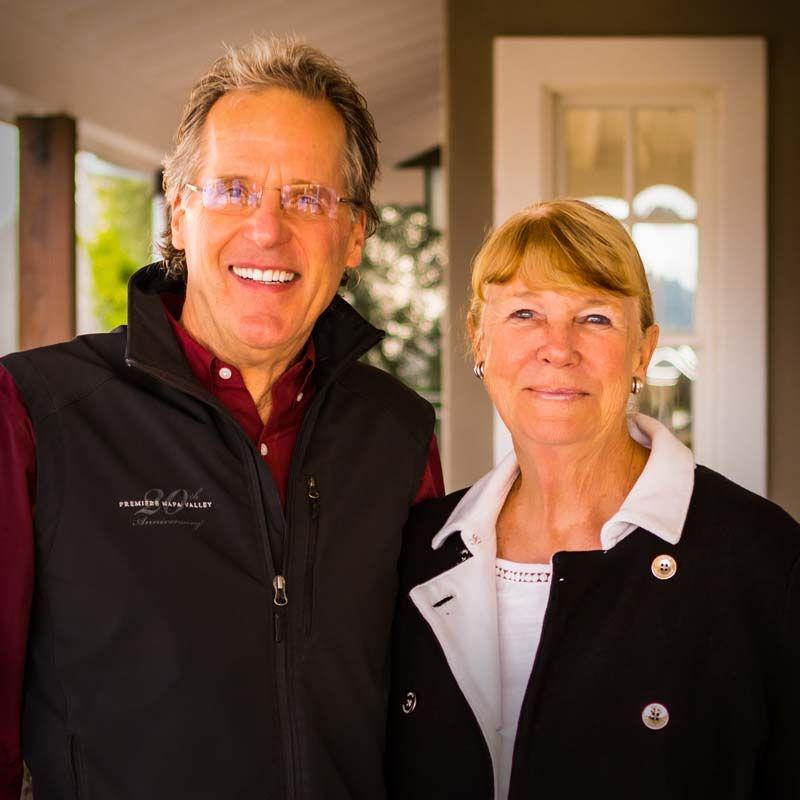
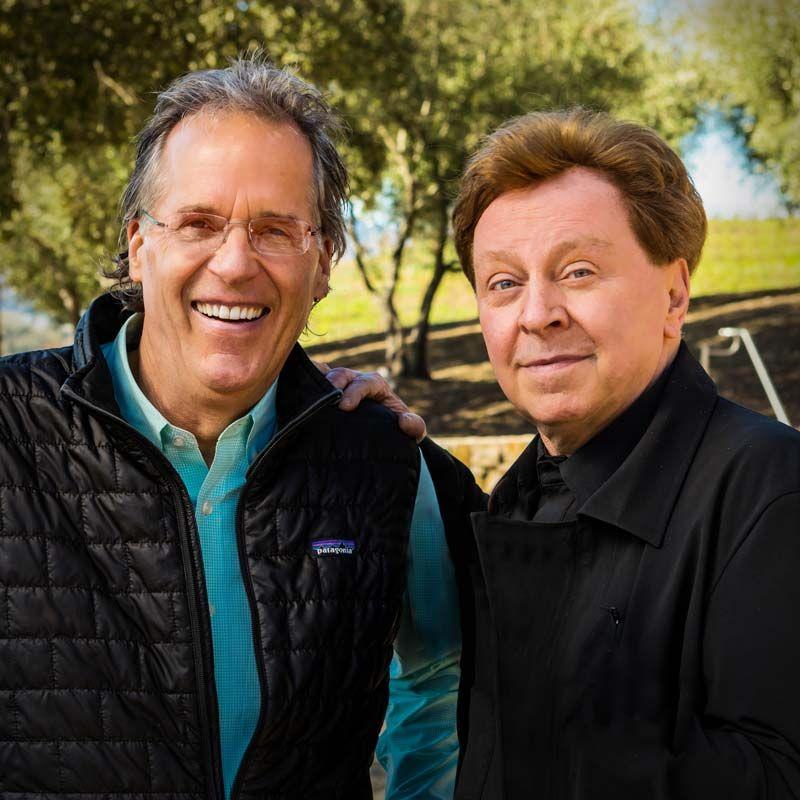
Gerald Casale is best known as co-founder and bass player of the ‘80s band Devo – a group with a style all their own with hits like “Whip It.” As the band became successful and toured the world, Gerald fell in love with great food and wine. Recently this composer and performer became a Napa Valley vintner. His Fifty By Fifty is one of Napa’s newest wineries. Enjoy! For more visit: TheFiftyByFifty.com
64 min listen50 min read
Interview transcript
Doug Shafer
Hey everybody, welcome back it Doug Shafer, another episode of The Taste. We've got a special guest today, Gerald Casale. Gerald, welcome.
Gerald Casale
Thank you.
Doug Shafer
And, uh, Gerald, we just met today, but, uh-
Gerald Casale
Yeah.
Doug Shafer
I've known of you for a long, long time because, uh, you're best known as a musician. Gerald was a bass player for the band Devo and-
Gerald Casale
And founder.
Doug Shafer
And founder.
Gerald Casale
And songwriter.
Doug Shafer
And songwriter, and music producer and one point a wine educator and now a Napa Valley vintner. So-
Gerald Casale
Yeah.
Doug Shafer
We've got a lot to talk about today.
Gerald Casale
Yeah.
Doug Shafer
But I gotta tell you, years ago, how did I discover Devo.
Gerald Casale
Okay.
Doug Shafer
I was teaching Junior High School in Tucson, Arizona.
Gerald Casale
Oh, wow.
Doug Shafer
1979, 80, 81. I'm teach- I'm 23. I'm country rock Eagles-
Gerald Casale
Yeah.
Doug Shafer
-all that stones and my kids who were 13 and 14... My students.
Gerald Casale
Your students.
Doug Shafer
I don't have kids. All of a sudden I'm walking through the quad one day and some guys got a, you know, boom box. Remember what boom boxes were and this and this, this, this sound is coming out of this thing I say, "What is that?" And they're like, "Hey Mr. Shafer, this is really cool it's a Devo." And I was like, so, that was, that was the beginning for Devo for me. Tucson, Arizona. So thank you. Um-
Gerald Casale
That was in great period in history. It really was.
Doug Shafer
Oh, it was nuts.
Gerald Casale
Well, there was such an explosion of creativity right then and so many great bands, very diverse sounds, all, everybody was unique. And, uh, it just seemed like, every three months, there was a new sound and a new, you know, a new direction.
Doug Shafer
Well, and you guys were totally unique. I don't think, you know, and what, you know, I want to start in the beginning.
Gerald Casale
Right.
Doug Shafer
But before we do that, give me a, give us, because a lot of folks might not know Devo. What were you guys doing? What was the music? Well, I mean, how would you, would, can you categorize what you guys were doing?
Gerald Casale
Well, that's why we call it the Devo. You know, it, you couldn't characterize it.
Doug Shafer
(Laughing)
Gerald Casale
Because what we were doing was kind of, uh, almost conceptual.
Doug Shafer
Okay.
Gerald Casale
You know, it was experimental and conceptual. Started in the mid ‘70s in Ohio. I'm, I met at Kent State University because I was a student there.
Doug Shafer
Right.
Gerald Casale
And he was coming from Akron to take art classes and I was a full-time student. And I kept seeing his work and he kept seeing mine, we go, "We have to meet, we have to check it out." Then we both, both found out we played music. And I didn't like the music he played, and he didn't like the music I played. So we agreed that we'd, uh, have the same approach to music as we did to art, which was, if it looked like something else we'd stop doing it. So if it sounded like something else-
Doug Shafer
Oh, okay.
Gerald Casale
-we'd stop doing it. So we started with a tabula rasa, and agreed that we were going to strip everything down to some elemental, you know, back to the primal state of things-
Doug Shafer
Got it.
Gerald Casale
-and start from there. And I had this whole philosophy at the time about de-evolution.
Doug Shafer
De-evolution-
Gerald Casale
Yeah.
Doug Shafer
-which is the, the source of the name, right?
Gerald Casale
Right, that's got shortened to Devo.
Doug Shafer
Aha.
Gerald Casale
Yeah, I was trying to do de-evolution art is what I was trying to do. Strip it all down. So we did it with music. And we started experimenting, and we hit something we both liked together. And that became the Devo sound that we created. And it was, you know, there was substance to it. It wasn't just style.
Doug Shafer
Right.
Gerald Casale
It was ideas.
Doug Shafer
Right.
Gerald Casale
And he, he had a Minimoog, right?
Doug Shafer
Okay.
Gerald Casale
And I, I was obsessed with drum and bass stuff.
Doug Shafer
Yeah.
Gerald Casale
And we found that, that kind of primal driving-
Doug Shafer
Its-
Gerald Casale
-rhythm. Yeah.
Doug Shafer
-it's, it's great. I mean, if I'm ever having a, a slow morning-
Gerald Casale
Yeah.
Doug Shafer
-and I need something in the car-
Gerald Casale
Oh men.
Doug Shafer
-to get me going,-
Gerald Casale
Yeah.
Doug Shafer
-boom.
Gerald Casale
Sure.
Doug Shafer
Play a Devo.
Gerald Casale
Yep.
Doug Shafer
So going all the way back. Born and raised in-
Gerald Casale
Ohio.
Doug Shafer
-Ohio.
Gerald Casale
Yeah.
Doug Shafer
Akron.
Gerald Casale
Yeah.
Doug Shafer
What was that like?
Gerald Casale
Um-
Doug Shafer
50s, 60s. years, right?
Gerald Casale
Sad (laughing). You know, it was, uh, it was the end of the Industrial Revolution and all the tire companies were moving out of town. So the economy was tanking. You know, it was blue collar, it was, you know, a lot of religious fundamentalism.
Doug Shafer
Mm-hmm (affirmative).
Gerald Casale
Very anti-intellectual, you know, not, not conducive to artists and creative people. But, you know, that kind of, always works in its own way. Like, when you look at artists and musicians, they always came from these kind of pressure cooker downtrodden areas that made them stronger.
Doug Shafer
I'm with you. So Akron back then, slow play, slow economy.
Gerald Casale
Yeah.
Doug Shafer
How did you get into art? That was, was that something from a kid you were-
Gerald Casale
Yeah.
Doug Shafer
-just, you just loved it?
Gerald Casale
Yeah, you know, I don't think people really choose on that level. I think you're driven by some imperative to do what you do.
Doug Shafer
Okay.
Gerald Casale
And some people are lucky enough to find out what that is sooner than later. And I was always drawing, I was always writing, always thinking, and it just was, it was in me.
Doug Shafer
Yeah.
Gerald Casale
And it had to come out as John Lee Hooker said, "Gentlemen it's gotta come out."
Doug Shafer
So, so school and high school was more art and drawing was it, was it or just sports activities stuff?
Gerald Casale
You know, I was, yeah, you know, I think part of me always tried in the beginning to fit in, you know, I kind of gravitated towards the, the preppy kids that were headed for college. And, and I was accepted because I could, I had a sense of humor, and I could draw. So like the jocks didn't want to beat me up because they'd ask me to draw pinup girls, right? So I draw them pinup girls. And then, "He's okay." Right?
Doug Shafer
Right.
Gerald Casale
And then the greaser guys, I draw hot rods for them. So they didn't, they didn't beat me up at football games or anything. And I was coordinated. I was, uh, you know, I played, uh, baseball.
Doug Shafer
Yeah.
Gerald Casale
I played football until the 10th grade then kids got too big-
Doug Shafer
They get too big.
Gerald Casale
-and I was getting creamed. And I, I was a receiver and I, I received all right (Both laughing).
Doug Shafer
Well, that's, um, that's challenging because it's, it, when I think about that because the, the peer pressure especially, you know, I don't know about you, but I can remember, I can remember junior high and high school like yesterday.
Gerald Casale
Sure.
Doug Shafer
When all the, the, just the stuff. And I know it's, it's probably miniscule now. It's no big deal. It's junior high or high school, but in your, in your life experiences those are, for me, those are just the, that shaped my life.
Gerald Casale
Well, and you know what?
Doug Shafer
You know.
Gerald Casale
In a way, it never ends.
Doug Shafer
It's-
Gerald Casale
I mean-
Doug Shafer
Oh, it's different levels.
Gerald Casale
Yeah. But I mean, it's all high school in terms of interaction.
Doug Shafer
Yeah.
Gerald Casale
Social order, uh, the duplicity, um, you know, sabotage, whatever. We, it just gets from a small micro level in a little town to the whole nation and it's the same thing going on.
Doug Shafer
And the only thing, the only reason I think I survive and make it is I just as I've gotten older, I've gotten more confidence and-
Gerald Casale
Sure.
Doug Shafer
-it's because of life experience.
Gerald Casale
Yeah.
Doug Shafer
Because well, back then you don't have any confidence.
Gerald Casale
No.
Doug Shafer
Life experienced looks like. This is-
Gerald Casale
Everything is devastating.
Doug Shafer
Yeah, everything's devastating. You know, you know, she didn't you know, she didn't pass me a note back.
Gerald Casale
Right.
Doug Shafer
You know, it's the end of the world.
Gerald Casale
So, yeah, I lucked out because I had two high school teachers that actually, you know, helped me and directed me to get a scholarship to be able to go to college, otherwise I could have never gone.
Doug Shafer
Okay. So, um, and brothers sisters.
Gerald Casale
Oh, yeah. You know, I came from a Catholic family so they didn't believe in birth control, you know.
Doug Shafer
Mm-hmm (affirmative).
Gerald Casale
And so yeah, there was-
Doug Shafer
How many?
Gerald Casale
Five children.
Doug Shafer
Five kids.
Gerald Casale
And there would have been seven. My mom had a set of twins though they didn't survive.
Doug Shafer
Hmm.
Gerald Casale
But there were five. And I was the oldest. So I really took the brunt of all the authoritarianism and all the responsibility. I was the babysitter de facto of all the time.
Doug Shafer
So big responsibility early on. Plus you get the heavy cause I've got kids and my oldest is like, you know, the youngest gets away with murder, you know.
Gerald Casale
That's true.
Doug Shafer
Yeah. So-
Gerald Casale
That's true.
Doug Shafer
I don't know if it's just the parent gets more experience or just the parent gets kind of tired.
Gerald Casale
Both. They get beat up-
Doug Shafer
I think they get beat up.
Gerald Casale
-and they decide to leave the kid alone, which really works out.
Doug Shafer
Yeah.
Gerald Casale
They become well adjusted.
Doug Shafer
How about you folks? What, what were they doing?
Gerald Casale
Uh, you know, they were, you know, my mom was just a, well, a housewife that, you know, worked all day long because she had all these children, right?
Doug Shafer
Yeah.
Gerald Casale
And so she had to cook and take care of the kids in the house and, and my dad worked all day. He was a, he was a technician he, he made molds for the aerospace industry. So they had, you know, tolerances of thousands of an inch, you know, for these parts for planes and rockets and stuff.
Doug Shafer
And that's back before computers-
Gerald Casale
Oh, yeah.
Doug Shafer
[inaudible 00:10:07] so everything had to be done-
Gerald Casale
All of them.
Doug Shafer
-with the slide rule and you have to just think about that.
Gerald Casale
It was manual cutting of blocks of steel.
Doug Shafer
Wow.
Gerald Casale
There was no CAD CAMs or anything.
Doug Shafer
Think about that.
Gerald Casale
Yeah, I know.
Doug Shafer
And that was not long ago.
Gerald Casale
No.
Doug Shafer
Yeah.
Gerald Casale
This was the 50s.
Doug Shafer
Yeah. Okay.
Gerald Casale
But it got us to the moon.
Doug Shafer
It got us to the moon.
Gerald Casale
And how they can't even get back there.
Doug Shafer
I know (laughing). No, I remember cause my dad flew bombers in World War Two and years ago. Once a year they'd bring, they'd bring these B24s in the Napa and he took us all up. A bunch of his kids and some grandkids. This is about eight years ago and we flew the valley at sunset, it is beautiful. But this plane, it was, he called it, he said they call it a freight train, a flying... A freight car in the air. I mean, this is -
Gerald Casale
It's frightening how crude it is, right?
Doug Shafer
Crude.
Gerald Casale
I know.
Doug Shafer
I mean, just rickety rackety. I'm thinking, "God these guys for flying these things."
Gerald Casale
I know.
Doug Shafer
It's frightening.
Gerald Casale
It's like when you see the Apollo capsules that went into space.
Doug Shafer
Yeah, the original ones are tiny.
Gerald Casale
Oh my God. You had to be a suicide pilot.
Doug Shafer
Yeah. Well these guys were those test pilots.
Gerald Casale
Yeah.
Doug Shafer
So growing up in Akron, how about, you know, you're now into wine, wine at home in Akron?
Gerald Casale
You know what happened was, uh, you can imagine what our diet was like growing up in Akron, it was meat and potatoes, all the, all the vegetables were canned, you know.
Doug Shafer
Mm-hmm (affirmative).
Gerald Casale
And it was like, the worst really, I mean, you know, the big, the big Friday night dinner if you were lucky was an overcooked rump roast that had been, you know, pot all day long, you know? And, and so when I did taste wine, it was horrible. It was like Mogen David level wine.
Doug Shafer
Got it.
Gerald Casale
Right. Night Train, Mogen David, same thing with cheese. I couldn't understand, you know, you would see these magazines with people about wine and cheese. And I thought, "This is horrible stuff." Right? And it wasn't until I went to the university and met out-of-state students who had a different life experience. I made some friends with New Yorkers.
Doug Shafer
Right.
Gerald Casale
And they started turning me on to real wine. Right?
Doug Shafer
Well, I'm with you.
Gerald Casale
Yeah.
Doug Shafer
And so cheese, you know-
Gerald Casale
And the cheese.
Doug Shafer
-and cheese we used to have just the American cheese. I grew up in Chicago.
Gerald Casale
Velveeta.
Doug Shafer
Velve- Yeah, Velveeta.
Gerald Casale
Yeah, that was all I knew about.
Doug Shafer
Does anybody know what Velveeta is anymore?
Gerald Casale
No. Luckily. You don't want to know.
Doug Shafer
Well, I just started to think about trying to pair one of my wines with Velveeta.
Gerald Casale
Oh, man.
Doug Shafer
Maybe we should do that.
Gerald Casale
Oh, men.
Doug Shafer
We should give that a try. Come on. We can try that. Maybe not. Maybe not. I had the same experience in Chicago with seafood.
Gerald Casale
Okay.
Doug Shafer
And fish. And for as I got older and married and dating a gal and you know, go out to dinner and you know, I was like, "No, I don't need fish."
Gerald Casale
Or I need fish.
Doug Shafer
"Because why not?" I said, "Because it's horrible."
Gerald Casale
Yeah.
Doug Shafer
There is this tuna in the can just smells and that's... And so it took me to my you know, mid 20s, 30s to realize hey, fresh fish is really good.
Gerald Casale
Yeah. Uh, same thing happened to me. I mean, it's so sad how people get turned off to whole categories of life experiences because the first experience is so bad.
Doug Shafer
Yeah.
Gerald Casale
You know. And that could happen with food. It happened with wine. And so then the big, the big revelation came when we signed our deal with Warner Brothers Records in 1977.
Doug Shafer
Okay.
Gerald Casale
And we flew out to LA because at that time, you had to be near the record company-
Doug Shafer
Yeah.
Gerald Casale
-once you signed a deal. It required physical proximity.
Doug Shafer
You had to be there.
Gerald Casale
And we landed in the middle of the California food and wine revolution. This is when all these great experimental chefs before they became moguls, like Alice Waters, Michael McCarty, Jeremiah Tower.
Doug Shafer
All the chefs.
Gerald Casale
Yeah, Bruce Marter, Wolfgang Puck, restaurants were opening up every three months and, and these guys were the same age as me. And they were into the new wave music and I was getting turned on to California wine and food by them in their restaurants. And it was just mind blowing. Everything changed.
Doug Shafer
Well, okay, I'm going to circle back cause we are gonna come back to this. So cause I was curious about some, cause I've done a little research on your, on your life. So your, your art and design was... Did music kick in as a kid? Were you playing an instrument as a kid or in high school?
Gerald Casale
I was self-taught I-
Doug Shafer
Self-taught?
Gerald Casale
Yeah, I got an acoustic guitar when I was like 16-
Doug Shafer
Okay.
Gerald Casale
-and started listing, you know, on my vinyl records on my record player and picking out basslines and guitar lines.
Doug Shafer
Okay, well, cause I wondered. I didn't know how that happened.
Gerald Casale
And then I bought a book, I think, you know, you used to be able to buy song books that came with records and it was Bob Dylan's-
Doug Shafer
Mm-hmm (affirmative).
Gerald Casale
-another side of Bob Dylan. I think it was when he was acoustic folkie and I loved him. And I got the book and-
Doug Shafer
Right.
Gerald Casale
-put all the finger patterns in front of me and did it.
Doug Shafer
Good for you. God, how cool is that? So you're, so you're, so you get a couple great teachers in high school.
Gerald Casale
Yeah.
Doug Shafer
They turned you on, got a scholarship went to Kent State.
Gerald Casale
Yes.
Doug Shafer
Kent State were exact- exactly in Ohio? Which city is it in?
Gerald Casale
It is in the town of Kent.
Doug Shafer
Town of Kent?
Gerald Casale
And at that time, there were only about 15,000 students there.
Doug Shafer
Okay.
Gerald Casale
It's like 45 today, 45,000 students. And it was an interesting juncture because people think, "Oh, it's the Midwest, oh, it's sleepy, it's out of it." It, actually we are not the Midwest. In northeastern Ohio, there was a, there was a conduit from Berkeley to Chicago to Kent to New York.
Doug Shafer
Got it.
Gerald Casale
So when Mark Rudd started SDS, it Columbia, he came the next year to Kent and started a chapter.
Doug Shafer
Students for a Democratic Society.
Gerald Casale
Yeah.
Doug Shafer
I remember that.
Gerald Casale
And, you know, this was the middle of protesting the Vietnam War.
Doug Shafer
Mm-hmm (affirmative).
Gerald Casale
Um, all these things were going on, uh, and that's how Kent became just by accident, you know, a footnote in history because-
Doug Shafer
Well, yes. You know, you were there.
Gerald Casale
I was there. And-
Doug Shafer
May, May 19th, May 4th-
Gerald Casale
May 4th, 1970. And what it was, was-
Doug Shafer
What happened?
Gerald Casale
-Nixon had expanded the war from Vietnam into Cambodia without an act of Congress.
Doug Shafer
Right.
Gerald Casale
He just did it.
Doug Shafer
Mm-hmm (affirmative).
Gerald Casale
And back then, you know, people were pretty well apprised of the Constitution and the Bill of Rights and they, these protests were all about what Nixon did that was attacking the Constitution and the rule of law. And, of course, that time, there was student outrage already because of the Vietnam War. So that protest on the Monday May Fourth was about Cambodia and Nixon.
Doug Shafer
Right.
Gerald Casale
And there were protests all over America that day.
Doug Shafer
Mm-hmm (affirmative).
Gerald Casale
All for the same reason. But what we didn't realize is that the governor had made a deal with the National Guard to come in the night before and lay in wait for this protest.
Doug Shafer
Oh, no.
Gerald Casale
So before noon, because it was always announced.
Doug Shafer
Yeah.
Gerald Casale
You know, the students are going to, they're going to gather at noon, they're going to protest.
Doug Shafer
Right.
Gerald Casale
Before noon, the univers- the governor of the, yeah, the governor of the state announces martial law in campus, which means your first amendment rights are suspended. So the National Guard surrounds us and tells us to disperse and of course, the students are giving them the finger and hell no we're not going to go.
Doug Shafer
Right.
Gerald Casale
Hell no we're not going to go and so they, they advance on us with tear gas, masks, you know.
Doug Shafer
Right.
Gerald Casale
Gas masks. They have M1 rifles with bayonets that's on them. And of course-
Doug Shafer
Bayonets.
Gerald Casale
-you're scared, yeah, you're scared, you know-
Doug Shafer
Yeah.
Gerald Casale
-they start marching us over the hill from the commons to this parking lot, where they're going to put us on buses send us to jail in Ravenna, Ohio. So at one point they, they stop at the top of the crest of the hill, and they do a formation and we're all like, "What are they doing now?" And we're staring at them. And people are chanting, and they get in a formation and the first row of them kneels down just like the Civil War.
Doug Shafer
Oh my god.
Gerald Casale
The next thing we know, they shoot at us. And it's live ammo.
Doug Shafer
It's live ammo.
Gerald Casale
And live ammo, nobody knew this. Nobody knew this. And there was that moment, it's like the Scorsese says he film Raging Bull where everything goes into slow motion and Jake Lamotta is getting hit in the face.
Doug Shafer
Right.
Gerald Casale
The sound changed. Everything went away and there was a freeze frame and then boom, back to live action.
Doug Shafer
Right.
Gerald Casale
Screaming, crying, students running and they're, there, you know, a few yards from me is Alison Krauss, who I knew, laying there with a bullet through her back. And then somebody starts screaming about Jeffrey Miller, who I knew-
Doug Shafer
Oh, Gerald.
Gerald Casale
-and he's about 20 feet from me on the, like road that led to the practice football field. And he got shot in the head. And long story short four students died that day and nine were wounded. One of them was paralyzed for life. And ... and I was right in the middle of it. And it, it changed me. It was, I had a nervous breakdown basically.
Doug Shafer
Well, why wouldn't you?
Gerald Casale
Yeah.
Doug Shafer
I mean-
Gerald Casale
Nobody wants to see what real bullets do.
Doug Shafer
No, I can't even imagine.
Gerald Casale
It's hardcore. The exit wounds are a grotesque. An M1, M1 rifles with military bullets. I mean, it was unbelievable.
Doug Shafer
And of course, we were there, and this made national, national news you know-
Gerald Casale
Yeah.
Doug Shafer
-cover of Life Magazine and all, I mean-
Gerald Casale
And it's still going on 50 years later. You know, the commemorations because there was never any justice. The parents did a class action suit and lost because hey, guess what it was martial law folks and you students didn't have any rights. And of course, they were pariahs, you know the, the way the news spun it was, the students were at fault. Students threaten the National Guard.
Doug Shafer
Right, right, yeah.
Gerald Casale
Most people thought of how those kids deserved it. You know, those damn hippies.
Doug Shafer
Yeah, those damn hippies that was the rallying cry.
Gerald Casale
Yeah.
Doug Shafer
You, you're, what are you? 20, 21?
Gerald Casale
20.
Doug Shafer
20?
Gerald Casale
20. (Laughs). And, and I think that changed me after that. I started reading, you know, like analysis of, uh, of the US actions in the world and government and the history. The real history of the United States.
Doug Shafer
Did you just leave? Did you finish? Did you just say, "I not gonna get the hell out of here?"
Gerald Casale
Well, I had to, I graduated in absentia. That was my, I was a senior.
Doug Shafer
Okay.
Gerald Casale
And I had to get my diploma in the mail because they closed off the campus for the whole summer. Nobody was allowed on campus. Our, our class didn't get to graduate. We didn't have a ceremony. (Laughs). We (laughing), I got my diploma in the mail.
Doug Shafer
In the mail.
Gerald Casale
Yeah. And, uh, it was, I think that's what... I was no more a Mr. Nice Guy after that. I had a kind of a radical realization about that, everything we're told is basically a fantasy and a lie. You know, like the old allegory of the cave, the Plato's, Plato's allegory of the cave, where - you react to shadows on the wall, and you have no idea what's going on outside the mouth of the cave.
Doug Shafer
Right. Right. Oh, man.
Gerald Casale
Yeah.
Doug Shafer
How did you get through it?
Gerald Casale
You know, it took, I swear there was a two year period where I-
Doug Shafer
Yeah,
Gerald Casale
-was kind of adrift.
Doug Shafer
Yeah.
Gerald Casale
I was kind of adrift. But I stuck to my graduate school program.
Doug Shafer
Okay.
Gerald Casale
And went through that. But I met very interesting visiting professors and poets from the Black Mountain College like Black Mountain school, outside of Chicago, um, Ed Dorn, and others, and, um, that really helped me. Really these guys were smart.
Doug Shafer
Yeah,
Gerald Casale
And they were cool. And I became very committed bohemian at that point.
Doug Shafer
Got it.
Gerald Casale
And I started Devo in ‘73.
Doug Shafer
You started grad, grad school, grad school at Kent state?
Gerald Casale
Yeah.
Doug Shafer
So you stayed there?
Gerald Casale
Well, because I had a scholarship to the University of Ann Arbor for grad school.
Doug Shafer
Got it.
Gerald Casale
But the governors of the four states you know, like, what was it? Pennsylvania, Ohio, Michigan and Indiana, agreed that any student who had been part of a an official protest group or anti-war group, you, be denied you, they, you couldn't be an out of state student. So because they said, "Outside agitators caused all this." So I was now an outside agitator if I went to Ann Arbor. So I lost my scholarship and had to come back home with my tail between my legs and go to graduate school at Kent.
Doug Shafer
How can they do that?
Gerald Casale
They did it. It wasn't just me, it was all out of state students who had been part of any anti-war group who lost their scholarships.
Doug Shafer
And you know, and now all these years later, you look at (laughing) I'm just having a moment here cause I was ... I'm a little younger than you. So I'm in high school watching this stuff on the nightly news with my parents and not really understanding it and just the way you know, anti-war and as it turns out, many years later, it's like, "Yeah, they were right, because it was a lousy war." I mean you know what I mean?
Gerald Casale
I think we were on the right side of history.
Doug Shafer
Yeah, you were.
Gerald Casale
But it took so long for people, you know, the official narrative to acknowledge that the Vietnam War was a mistake.
Doug Shafer
It took so, it took years, decades?
Gerald Casale
Yeah. And now it's like that is the prevailing-
Doug Shafer
Right.
Gerald Casale
-view.
Doug Shafer
But look at the damage. That has been done.
Gerald Casale
Oh yeah.
Doug Shafer
So many lives.
Gerald Casale
Yeah. Exactly. But you and I understand that, uh, you know, the only thing that's moral really is contributing, like living and contributing, you know, not being toxic, not being evil. Making wine is fundamentally moral pursuit.
Doug Shafer
Yeah, around here we like to think, sometimes I think about, sometimes people ask me, it's like, you know, "Why do you do this? What's, what's the goal?" And I think they're talking about you know, "Oh, I'm trying to make a fruity balanced, blah, blah, blah, wine, you know, set." And they go, "No, no, no, no. Why, why do you really do, do this?"
Gerald Casale
Right.
Doug Shafer
And it was a few years ago I was kicking their ass like, it's it's a great way to bring joy to people's lives.
Gerald Casale
Exactly. And it's, it's just, it's spiritual in a way-
Doug Shafer
Mm-hmm (affirmative).
Gerald Casale
-cause this is combination of art and farming and wine is a living thing that keeps changing, and you're working with the earth, you're working with nature, and then you're creating this thing that does bring joy to people. You know, it's not just like a bottle of vodka. (Laughs).
Doug Shafer
No, exactly.
Gerald Casale
You know.
Doug Shafer
And what's so cool is you and I could take the same ton of grapes, exact same grapes.
Gerald Casale
Completely different wine.
Doug Shafer
You take it to your place and I take my place, and then we meet up two years and say let's taste them.
Gerald Casale
Yeah.
Doug Shafer
It's like different animals.
Gerald Casale
Absolutely.
Doug Shafer
That's, that's the magic of this stuff.
Gerald Casale
Yeah, exactly.
Doug Shafer
Cool. All right. So, this is, this is really fun.
Gerald Casale
Right,
Doug Shafer
So, grad school. So this one, this one Devo. So, how did-
Gerald Casale
Yeah.
Doug Shafer
-how did it form? You know, I mean, how do you do that? How do you do that? How do you form a world-renowned rock band? A music band?
Gerald Casale
Well, I had these ideas and I kept trying in my own way to apply this, this philosophy of de-evolution cause that's what I decided was going on in the world is what I saw. I labeled it as de-evolution.
Doug Shafer
Right.
Gerald Casale
I didn't think people were getting smarter, I didn't see progress, I had grown up in the ‘50s and ‘60s with these visions of you know flying cars and domed cities and you know-
Doug Shafer
Right.
Gerald Casale
-future that was-
Doug Shafer
The futuristic thing?
Gerald Casale
-we didn't have to work anymore.
Doug Shafer
The Jetsons.
Gerald Casale
Instead what I was looking at was demise of social order infrastructure. People seemed to be getting dumber. They were repeating sound bites and ad from you know, and slogans from TV. And, and I kept trying to you know, apply this visual aesthetic to music and I, I can say that I wasn't doing a great job of that 'cause I was too mired in blues music.
Doug Shafer
Okay.
Gerald Casale
My stuff was too blues oriented.
Doug Shafer
Got it.
Gerald Casale
So it was academic and, and that's what happened after meeting Mark. He was, he was of course, a trendy guy.
Doug Shafer
He wasn't in the blues?
Gerald Casale
No he wasn't, but what he did, he was imitating all these guys like Emerson, Lake and Palmer.
Doug Shafer
Okay. Oh, yeah, yeah, yeah.
Gerald Casale
And all the prog rock. Right?
Doug Shafer
Right.
Gerald Casale
Where it was just how many notes can you play? How many times signatures can you change to? And I didn't like that. I thought it was indulgent. I thought it was masturbatory.
Doug Shafer
Okay.
Gerald Casale
So that's when we agreed, "Okay, you won't do what you're doing, I won't do what I'm doing. We're going to make something as original as our visual art and if it sounds like other music, we stop right there." And so we really set a high bar for ourselves. And, you know, it's like a class project, right? "Here's the problem class."
Doug Shafer
Okay.
Gerald Casale
"See what you can do with this." And so it became inspirational to put your mind to making this idea come to life in reality, like, "Where's the proof?" You know, proof of concept.
Doug Shafer
That must have been wow, I bet you're like, you know, you're waking up in the middle of the night just, right?
Gerald Casale
Yeah.
Doug Shafer
Just, yeah, just-
Gerald Casale
Yeah, your mind would race it couldn't wait.
Doug Shafer
Yeah.
Gerald Casale
You know, that's, that was the collaboration. You couldn't wait to get back together the next day, had all these ideas. Maybe you had some basic thing you recorded on a little four track and now you were gonna work on it. And it was just, that's all you thought about, you know, it just became obsessive. And that's what we spent all our time on. And of course, we were looked at as idiots. I mean, the prevailing culture was like-
Doug Shafer
Oh, yeah
Gerald Casale
-these poor dummies. Oh my god, they're sad.
Doug Shafer
This won't last. What a bunch of nuts.
Gerald Casale
You know-
Doug Shafer
For those of you who don't know Devo, just get on your computer and go YouTube Devo some songs and you'll see what we're talking about. But all right -
Gerald Casale
Yeah, 'cause can you imagine, you know, Jocko Homo was written in 1975.
Doug Shafer
Right.
Gerald Casale
You can imagine what people thought when they heard us playing Jocko Homo in 1975.
Doug Shafer
(Laughing).
Gerald Casale
They just thought, "Oh, these people are nuts and they're losers." You know. And of course, the guy that was the manager of the local McDonald's, he's the one that got all the girls and all the dates.
Doug Shafer
Right.
Gerald Casale
We couldn't even find a girlfriend.
Doug Shafer
'cause he's got the, you know, free double Macs or whatever.
Gerald Casale
No.
Doug Shafer
So are you guys playing gigs? Are you recording? Are you just-
Gerald Casale
We're pretty much in basements and garages and then once in a while, what would happen is I would pretend to be the group's manager, and convince some little club owner that we were a cover band.
Doug Shafer
Okay.
Gerald Casale
So that, and this was part of our, you know, pranks on people.
Doug Shafer
Right.
Gerald Casale
We love playing pranks. So we'd show up and of course, we didn't cover any songs and I'd go, "Okay, this is one by Bad Company." And then we'd play Devo's, Be Stiff. And you just see the crowd, like-
Doug Shafer
Devo's, Be Stiff.
Gerald Casale
-take them about a minute and realize, "That's not Bad Company." And then they start screaming at us and get really pissed off. You know, we got paid two different occasions to quit playing. Like the bar owner said, "Look, I'll give you 75 bucks. Just quit now." Right? And we thought that was a big victory.
Doug Shafer
That's funny. Did they ever throw stuff at you?
Gerald Casale
Oh, yeah, yeah.
Doug Shafer
I remember it was some movie where there's a cowboy band and they, they, oh, it was, it's the Blues Brothers.
Gerald Casale
Yeah.
Doug Shafer
Where they're playing the Cowboy bar and there's a screen and people are throwing beer bottles at them.
Gerald Casale
Yeah, we had those experiences. We played in a Halloween party, in Cleveland, Ohio. And the, everybody was in costume. And it was for a radio station and they, they had taken all their guests and given them nitrous oxide.
Doug Shafer
(Laughing).
Gerald Casale
They had, you know girls who are dressed like prostitutes, guys are dressed like Frankenstein.
Doug Shafer
Right?
Gerald Casale
Or the devil. And now we're playing in front of them. And that takes them about five minutes. And they're throwing cans and bottles of beer at us. And the one guy just walks up on stage, grabs the microphone out of my hand, and pushes me down and, and throws, and throws the mic down and breaks it. And, and our, you know, our sound man, and our guitar guy that was helping us out, tried to protect us, but we had to go offstage and we had to go in the back-
Doug Shafer
Yeah.
Gerald Casale
-in the dressing room. And then we had to go out the back door.
Doug Shafer
They were gunning for you.
Gerald Casale
But, you know, we were in our costumes. And so we went to the car, we dressed in our street clothes. We came back as guests. They didn't recognize us, 'cause we had had clear plastic masks and put uniforms on.
Doug Shafer
Right.
Gerald Casale
And, uh, yeah, we came back and Sun Ra came on at midnight. Sun Ra. We got to see Sun Ra.
Doug Shafer
Oh my gosh.
Gerald Casale
Yeah. And then and then in, in Liverpool is what you're talking about happened.
Doug Shafer
Yeah.
Gerald Casale
There was literally a, a chicken wire screen -
Doug Shafer
A chicken wire. That's it.
Gerald Casale
-between, you know, the floor and the ceiling. Between the stage and, and where the crowd stood and we go, "What's this?" They go, "Oh, you'll see mate, you'll see." I go, "what?"
Doug Shafer
In Liverpool.
Gerald Casale
Oh my God. Just these guys just started spitting at us that was part of the ritual gobbing they called it.
Doug Shafer
Yeah.
Gerald Casale
Spitting at us, climbing this chicken wire fence screaming like, it look like Island of The Lost Souls, the move. We were so glad for that barrier (laughs).
Doug Shafer
Didn't these guys who book bands don't they ever, you know, get a tape and realize what they're getting into?
Gerald Casale
Well, you know, if they're smart they do. Things were very open and loose back then. You know?
Doug Shafer
That's just nuts.
Gerald Casale
Thing's didn't have a roadmap back then yet.
Doug Shafer
Hey, I just, I just thought of some, how did you guys come up with the costumes? Was that-
Gerald Casale
That was me.
Doug Shafer
Is that you?
Gerald Casale
Yeah.
Doug Shafer
Brilliant, brilliant.
Gerald Casale
We, uh, we, we just hated what was going on in stadium rock and-
Doug Shafer
Yeah.
Gerald Casale
-all these guys prancing around in, um, like platform shoes-
Doug Shafer
Sure.
Gerald Casale
-and spandex pants and look at me, look at my big hair. And so we were just reacting to all that. And I said, "Well, we're going to do something very austere and kind of, you know, industrial and foolproof." And, uh, I found those yellow suits in a janitorial supply catalog. And I realized, well, if you put a cinch belt on them-
Doug Shafer
Yeah.
Gerald Casale
-so that it was complimentary to the body.
Doug Shafer
Right.
Gerald Casale
We put a logo on it. It won't look like uniforms that were designed for people to spray dangerous chemicals. That's what they were for.
Doug Shafer
That's what they were, they were hazmat’s, yeah.
Gerald Casale
Yeah. So and we cut our hair short and people went nuts because they were laughing their asses off at us like we were fools-
Doug Shafer
Right.
Gerald Casale
-or they just thought it was so cool and futuristic and whacked, right? They couldn't quit watching.
Doug Shafer
Well, you hit, you know, you, you hit it.
Gerald Casale
Yeah.
Doug Shafer
You hit it. And then what happened? When the big break was, was the Bowie the big break?
Gerald Casale
I'll say-
Doug Shafer
Did Bowie sow with you guys?
Gerald Casale
Bowie-
Doug Shafer
What's, what happened there?
Gerald Casale
Bowie heard a tape. You know, we had, we had gone to see Iggy Pop on the Idiot Tour. And Bowie was playing keyboards for him and we saw him in Cleveland, Ohio, at Swing Goes (laughs). And we left a tape. Turns out, Iggy listened to it and gave it to David. And we found this out months later, in a roundabout way. And we met David's attorney Stan Diamond out in LA when we went out there.
Doug Shafer
Right.
Gerald Casale
And he hooked us up.
Doug Shafer
So you so they called you up and said and you, gave you a contract?
Gerald Casale
Well, he wanted to produce us-
Doug Shafer
Okay.
Gerald Casale
And he wanted us to sign to his label Bewlay Brothers, which had a production deal with Warner Brothers. But then, you know, I had apprised myself of the music business by that point and-
Doug Shafer
Right.
Gerald Casale
-the deal was bad.
Doug Shafer
Okay.
Gerald Casale
I mean, we love David Bowie, but it was a bad deal.
Doug Shafer
Okay, well, good for you.
Gerald Casale
Well, because they're gonna give you, a record company is going to give him $500,000 an album, he's going to turn around and give us $200,000 now, but, but he's going to recoup all the 500,000 out of our sales, even though we only have received two.
Doug Shafer
Oooo.
Gerald Casale
That's not a good deal.
Doug Shafer
That's not a good deal (laughing).
Gerald Casale
So I told Warner Brothers, "No, we want a direct deal." You know, like, "No, you know, that's your deal." And I go, "Well, we can't do it."
Doug Shafer
Wow.
Gerald Casale
So then David, he, he's like, "Well, then I'm not going to produce the record here. Have Brian Eno, you'll like him. He'll produce the record." And Brian Eno-
Doug Shafer
Oh, really.
Gerald Casale
-agreed with Warner Brothers that he'd produce the record in the same German studio that David was going to use.
Doug Shafer
Right.
Gerald Casale
Where they had worked together on the album Low. And that, you know, he agreed to not get paid until Warner Brothers gave us a deal. Because he, he assured Warner Brothers that if he produced the record, they're going to want it. So they agreed what he'd get paid up front-
Doug Shafer
Okay.
Gerald Casale
-if they're going to pay him. And they agreed what they'd give us. So as a right of first refusal, like, "If we like this record, here's what we'll give you."
Doug Shafer
Okay.
Gerald Casale
And it was a good deal. So we went to Germany and we recorded with Brian Eno and it all worked.
Doug Shafer
Is he the one that wanted to change your style? I read somewhere somebody wanted you guys to change your music sometime. Was that-
Gerald Casale
Well, he wanted to make it prettier. He, he didn't like the industrial edge it had, he thought it was too nasty. And he had gotten-
Doug Shafer
No, is great.
Gerald Casale
Well, at that point in his life, you know, he'd gotten Zenned out, he was no longer the guy that was in Roxy Music. He was doing a lot of that ambient beautiful music.
Doug Shafer
Yeah.
Gerald Casale
Music for airports, and stuff. And he had developed these set of cards called oblique strategies that had all these like, kind of Zen like sayings almost, you know what I mean?
Doug Shafer
Right.
Gerald Casale
Like almost Haiku stuff, right?
Doug Shafer
Yeah.
Gerald Casale
And he shuffled the deck and then-
Doug Shafer
Give you a card?
Gerald Casale
He would read it and, yeah.
Doug Shafer
That was supposed to change you -
Gerald Casale
No, we thought, "Oh boy, this is corny." (Laughing) This is corny. Because I mean, God we had, we had worked on this stuff for years at that point, right?
Doug Shafer
Yeah, 'cause you've been, yeah. So at this point you're going, you're recording but you've been together six, seven years?
Gerald Casale
Well-
Doug Shafer
Or something like that? Yeah.
Gerald Casale
Solidly four.
Doug Shafer
Okay.
Gerald Casale
Solidly four with the same lineup.
Doug Shafer
That's a long time.
Gerald Casale
And we had, we had like 50 songs that we were like culling from, for album one, right? And we were committed to playing them a certain way. We couldn't think of playing them another way.
Doug Shafer
Okay.
Gerald Casale
So-
Doug Shafer
And so-
Gerald Casale
Brian put a lot of tracks on our records and a lot of harmonies and then when it came to the final mixes, Mark and I were pulling them down (Both laughing).
Doug Shafer
So-
Gerald Casale
Yeah.
Doug Shafer
Uh, well, good. You did well, my friend.
Gerald Casale
Yeah.
Doug Shafer
So but I'm, I was looking at a bunch of stuff a couple days ago, but you know, you guys say that, you know that cover of Satisfaction that cover of Working in a Coal Mine.
Gerald Casale
Yeah.
Doug Shafer
I mean that's just I mean, but I'm looking at, I'm listening to the music in my car and it's just like I'm like thinking these guys are really having fun.
Gerald Casale
Yeah.
Doug Shafer
I mean-
Gerald Casale
Yeah.
Doug Shafer
-was it, was it just fun?
Gerald Casale
Yeah, it was fun and that was part of it. You know we were mutating things and we had a sense of humor. But we weren't trying to make comical music, you know.
Doug Shafer
No.
Gerald Casale
When people, when, you know when we re-did Satisfaction, um, Jann Wenner of Rolling Stone, decided we were the devil. He hated us. He thought we were making fun of the Rolling Stones right?
Doug Shafer
No.
Gerald Casale
And we weren't at all.
Doug Shafer
No.
Gerald Casale
We were trying to use a classic song that we loved to show people what Devo meant. Like here, this is how Devo would do Satisfaction, right?
Doug Shafer
Yeah.
Gerald Casale
So that was again, proof of concept, something that somebody could understand maybe because it wasn’t original. It was a, you know, a cover, but a whacked cover. But we had to play it for Mick Jagger to be allowed to put it on the record because the legal people considered what we'd done a parody. And back then intellectual property was taken seriously.
Doug Shafer
Got it.
Gerald Casale
Like you do a parody, you had to get the permission of the writer.
Doug Shafer
So-
Gerald Casale
So we flew to New York, Mark and I and played it.
Doug Shafer
Played it in front of him, live?
Gerald Casale
Right there. No, we played it on a boombox. And it was in Peter Rudge’s office, who's the big evil manager at The Rolling Stones-
Doug Shafer
Right.
Gerald Casale
-at the time. Who ended up getting indicted for fraud and all kinds of other stuff but he, we're in this beautiful office, Midtown New York, fireplace going, oversized brown leather club chairs. Jagger walks in, it's like 1:00 in the afternoon and he was staying in some apartment in the building.
Doug Shafer
Right.
Gerald Casale
And he came in just he didn't have any shoes on he had velour flared pants and a velour turtleneck, uh, matching turtleneck.
Doug Shafer
Right.
Gerald Casale
And a glass of red wine. And he's polite and he, he sits down and goes, "All right, let's hear it then." We put it on the boom box and we're thinking, "Oh man."
Doug Shafer
Yeah, this is not gonna go well.
Gerald Casale
We're shaking in our boots, you know, we feel like Wayne's World, like-
Doug Shafer
Yeah.
Gerald Casale
- we’re not worthy. And he starts swirling the wine and he sits it down on this afghan rug next to the chair, and he gets up. And he's in his stocking feet and there's hardwood floors. He starts dancing like Mick Jagger in front of the fireplace to the song.
Doug Shafer
To the song. You got to be kidding me.
Gerald Casale
It was like, "Wow man." (Laughing)
Doug Shafer
He did that.
Gerald Casale
He goes, "I like it. I like it." You know, of course we were just elated and -
Doug Shafer
Oh yeah.
Gerald Casale
We flew back to LA that following Monday and went straight to our manager's office we had just signed with Elliot Roberts. He was Neil Young's manager. And if he was good enough for Neil Young, he was good enough for us.
Doug Shafer
No kidding. And you did something with Neil Young. Didn't you guys, did the movie?
Gerald Casale
Yeah, we, we, we, worked on his movie with him, Human Highway. That's how we met earlier.
Doug Shafer
Which is a kind of cult classic.
Gerald Casale
Yeah. And we go, "Elliot, you wouldn't believe it. He liked it so much." He goes, "Yeah, yeah." He goes, "Listen, before you even got there, I called Peter Rudge. And I told him to tell Mick to act like he liked it, because you guys are going to make him a lot of money on that cover."
Doug Shafer
Oh, no. Oh, no.
Gerald Casale
Yeah. You'll see?
Doug Shafer
Was that a heartbreaker?
Gerald Casale
You'll see. Oh, yeah, because, you know, this is, you're getting a fast education. You know, you're moving from innocence to experience in Hollywood really fast.
Doug Shafer
Really fast.
Gerald Casale
And, uh, and, and because we had to, we didn't retain any of the publishing because that was part of the deal. Like, "Oh, I'll let you cover but it's ours."
Doug Shafer
Yeah.
Gerald Casale
Yeah. And, you know, even there-
Doug Shafer
But, but it worked out but you'd benefit you guys 'cause-
Gerald Casale
Of course it did.
Doug Shafer
Of course I mean, it's because of that, that, you know, connection with - all these stuffs.
Gerald Casale
All these experiences were life changing.
Doug Shafer
Yeah.
Gerald Casale
Saturday Night Live was just a life changing.
Doug Shafer
When were you guys on there? Once or twice?
Gerald Casale
Well, that was October, I think it was October 18th 1978 we go on Saturday Night Live.
Doug Shafer
Boom. That'll do it.
Gerald Casale
We went from playing 300 seat clubs to two and 3000 seaters because of that-
Doug Shafer
Because of that show.
Gerald Casale
-TV show.
Doug Shafer
Wow.
Gerald Casale
You know, something like 12 million people saw us that day.
Doug Shafer
Yeah.
Gerald Casale
And we were, we played well.
Doug Shafer
Yeah.
Gerald Casale
Because we had been playing so often and so much that we were tight.
Doug Shafer
When you guys were, so you're touring a lot, you're playing a lot. I mean, I've always been curious because I've never met personally, someone like you who has done this and did that. I mean, that lifestyle. You're on the road all the time. Is there, is there a home, is there any type of you know, I'm going use the term normal, well, normal is what you know. Well, normal is what you know.
Gerald Casale
No. I mean, you know, no, there isn't a home. I mean, you, yeah, you're back in town. But I have to say, See, I loved it.
Doug Shafer
Yeah.
Gerald Casale
I loved it. Because growing up, I didn't have a good association with my home. It was oppressive. Right?
Doug Shafer
Okay.
Gerald Casale
And I would never get to travel. I didn't see the world at all. You know, I saw Cleveland and Akron basically. Or maybe Detroit, I drove to Detroit-
Doug Shafer
Detroit.
Gerald Casale
-to the Blues Festival that was about it. So, for me, every city was exciting, you know, and everything was an experience and I loved hotel rooms personally.
Doug Shafer
I, I spent a lot of time there too. I do too.
Gerald Casale
And especially when we started making money and the hotels got nicer.
Doug Shafer
Get nicer. Um, so, and so if you're going into, you're on tour, you're doing a show, but you still have maybe one or two days in that town a lot of time so you can explore.
Gerald Casale
That's right. And that's how, that's how the fascination with wine really kicked off.
Doug Shafer
Yeah, I was gonna... I wondered if that's how it kicked in.
Gerald Casale
Okay, well, again-
Doug Shafer
Yeah.
Gerald Casale
-we go to California. These guys are turning me on, I'm tasting, you know, I had your, your experience with cheese where you go or fish you said "I don't eat fish." Right?
Doug Shafer
Right.
Gerald Casale
I was like, "I don't like wine and they laughed at me right?"
Doug Shafer
(Laughs).
Gerald Casale
And I said, "Here try this." And I remember here Michael McCarty at Michael's restaurant, "Here eat my spaghettini with salmon roe and drink this Kistler Chardonnay, right? It's like, "I get it." And so when we were on the road promoters were oftentimes even if they were unscrupulous they tended to be educated people and because they had money they got to do cool things. So I remember our first trip to Europe where we toured Europe-
Doug Shafer
Okay.
Gerald Casale
-the Italian promoter said, "Hey, Devo, I'm going out to Castello di Ama, you want to come?" You know, and it's like, everybody else is like, "No, we're going to shop in town." And I go, "I want to come." And seeing-
Doug Shafer
But it is a gorgeous property.
Gerald Casale
Oh my God.
Doug Shafer
Oh, it's gorgeous and the hills.
Gerald Casale
And seeing this life style, all right?
Doug Shafer
Yeah.
Gerald Casale
And the guy had a shift there. And we go into the caves with the spring and stuff out. And I just was-
Doug Shafer
[inaudible 00:45:08]. Yeah. Okay.
Gerald Casale
-so envious of this like, "This is the life." My God, and you're only like 45 minutes out of Florence, right?
Doug Shafer
Right.
Gerald Casale
So it's town and country, it's incredible. And the, and the food and the wine was mind blowing. I still remember having some weird, like some ravioli with ewe’s milk and black truffles that was like baked in the oven and just-
Doug Shafer
Boom. Right there.
Gerald Casale
Yeah.
Doug Shafer
Nothing fancy boom, and really good glass of red wine.
Gerald Casale
Oh, yeah.
Doug Shafer
Which is so good.
Gerald Casale
You know what, they were making Pinot Noir these guys at Castello di Ama.They called it Pinot Nero. And it was first time I-
Doug Shafer
In the heart in the heart of Tuscany.
Gerald Casale
Yeah.
Doug Shafer
Wow.
Gerald Casale
Yeah, because this is when the Italian winemakers broke with tradition. You know, they didn't care if they got the rooster on the bottle anymore.
Doug Shafer
Yeah.
Gerald Casale
And so they were making the super Tuscans.
Doug Shafer
The super Tuscans.
Gerald Casale
But these guys in addition to that were making Pinot Nero.
Doug Shafer
Pinot Nero.
Gerald Casale
And I think were the only ones doing it. It was quite good at a very French style. And I got addicted to the French... I mean, that's what happened. I, as a kid, not a kid, as a 30 year old, I start, you know, getting turned on to wine and of course in California, it's all these massive Cabernets.
Doug Shafer
Right.
Gerald Casale
Everybody's like losing it over these big Cabernets, the over-oaked malolactic Chardonnays-
Doug Shafer
Sure.
Gerald Casale
-that’re like milkshakes. And of course, when you're, you know, when you're new, that stuff all tastes amazing 'cause it's this flavor overload.
Doug Shafer
Right?
Gerald Casale
Crazy.
Doug Shafer
You can't You can't miss it.
Gerald Casale
No.
Doug Shafer
Boom, it's right there.
Gerald Casale
But then as we traveled, and I drank, you know, Barolos and Barbaresco and some Antinori super Tuscans, and then we get to France and I'm tasting really good Bordeaux's for the first time. And then-
Doug Shafer
What happened?
Gerald Casale
-this French guy takes us to La Coupole after a show and he orders some Burgundy and it was, uh, God what was it? It was, it was Chambolle-Musigny and but I remember just suddenly, like, I couldn't stop thinking about this flavor like-
Doug Shafer
Okay.
Gerald Casale
You know, I'd go back to my cabs and these big-
Doug Shafer
Right.
Gerald Casale
-you in the face wines. And I kept thinking about that.
Doug Shafer
That wine?
Gerald Casale
And then I started educating myself about Pinot Noir grapes.
Doug Shafer
Okay.
Gerald Casale
And the older I got, the more I just, I was a junkie for Pinot. That was it. And I thought, "If I ever get to make wine, that's the first one I'm going to make because that's the one I'm passionate about that I want to make that varietal.
Doug Shafer
Right.
Gerald Casale
You know. And so when I got the opportunity here because of my partnership with this restoration architect-
Doug Shafer
Mm-hmm (affirmative).
Gerald Casale
-who's still trying to build the Mies van der Rohe 50 by 50 house that he designed and 1950 that we're still trying to make that our tasting room. Uh, but he, my partner owned 25 acres up on Monticello road in Napa. And I, I knew, you know, before I even started thinking about growing or sourcing grapes that I wasn't interested in Pinot Noir from Napa.
Doug Shafer
Right. Right.
Gerald Casale
So I spent a year trying to find a source for Pinot Noir in Sonoma.
Doug Shafer
Sure.
Gerald Casale
Hopefully Russian River but that was too expensive. But I found in Sonoma coast I found what I wanted, which because I wanted 667 clones and Pommard clones. That was what I decided is the blend I liked the best. And I found the source and started becoming a fledgling winemaker. Released my first, I released a 2012 in 2014.
Doug Shafer
Okay.
Gerald Casale
And people liked it. I mean, you know, is the people I could get it to and I had it in a dozen restaurants in LA, I had it in wine shops like K&L up here in San Francisco and down in LA and, uh, got it into Wally's.
Doug Shafer
Great.
Gerald Casale
Mr. Navarro liked it. And, you know, I made a very, very on purpose French style austere, you know, fruit suppressed Pinot Noir, right? Balanced.
Doug Shafer
You, You brought me a bottle-
Gerald Casale
I did.
Doug Shafer
-with the label, the label is 50 by 50-
Gerald Casale
Right.
Doug Shafer
-is the name of the brand and I love that style myself. So I'm looking forward to try this.
Gerald Casale
Yeah.
Doug Shafer
So is my wife.
Gerald Casale
It matches with food. See, that's-
Doug Shafer
Yeah. And that's where and that's where your whole-
Gerald Casale
That's how it started.
Doug Shafer
-wine education came from.
Gerald Casale
That's right.
Doug Shafer
It came from those experiences.
Gerald Casale
The pairings are the best.
Doug Shafer
Thanks for this man.
Gerald Casale
Because it makes the wine and the food another level. I never just drink wine to drink wine. I mean, maybe Rose. I do like good dry Rose, and I make Rose. And I, for Rose, uh, the, the grapes I have from Sonoma, uh, are too big, too hardy.
Doug Shafer
Right.
Gerald Casale
So I found a source Ranky Vineyards in Carneros and I just use 667 and I just make the Rose on purpose. We pick for Rose. We're picking it brix level, you know it's not some afterthought or one off.
Doug Shafer
Yeah.
Gerald Casale
It's, we're making the Rose.
Doug Shafer
You're you're making the Rose and the Pinot?
Gerald Casale
And now I'm trying to make a white Pinot.
Doug Shafer
Wow.
Gerald Casale
I'll tell you what happened.
Doug Shafer
Wait a minute, you can't make a white Pinot. Because that's going to be Rose. How you gonna do that?
Gerald Casale
No.
Doug Shafer
Okay. All right.
Gerald Casale
I'll tell you who- I'll tell you who, it, it was, what's his name? Tony Riedner.
Doug Shafer
Okay.
Gerald Casale
Tony Riedner was a winemaker that worked for Domaine Serene for years. So he started making white Pinot Noir called The Pretender. And I talked to him in Portland at this incredible wine bar where they had The Pretender and I didn't know what it was. I was given blind. Right and I'm trying to guess that it's some high end Albarino, Albarino-
Doug Shafer
Albarino.
Gerald Casale
Or something. Maybe a, maybe it's a Pinot Bianco from-
Doug Shafer
Yeah.
Gerald Casale
- Venetzia or something, you know, I told -
Doug Shafer
Pinot Gris. Yeah, something like that.
Gerald Casale
Yeah, they go, "No, look. white Pinot." Doug Shafer Wow's he gets, how's he doing without getting any color?
Well -
Doug Shafer
If you can't tell me it's all right. You don't have to.
Gerald Casale
No, no, he would only give me hints. He goes, "Good luck." He gave me a lot of pointers. Yeah. He gave me a lot of pointers and you know what, there are white Pinots that do have a hint of pink.
Doug Shafer
Sure.
Gerald Casale
But they don't have any flavor of Rose. This, this was bone dry, but with a beautiful silken finish on the tongue because it's Pinot Noir grapes. And I, I loved it because it was such a great alternative to chard.
Doug Shafer
Yeah, yeah.
Gerald Casale
And I just thought, "Well, everybody in the world's making Chardonnay, I can't bring myself to do it. You know, I wouldn't even want to compete."
Doug Shafer
Yeah, it's crowded.
Gerald Casale
But I want to make white Pinot. And so we experimented last year and it was pink.
Doug Shafer
Okay.
Gerald Casale
I didn't release it.
Doug Shafer
Okay.
Gerald Casale
But this year, it's looking promising. It's, uh-
Doug Shafer
All right.
Gerald Casale
We picked a little riper. We did a whole cluster press right away. There's maybe the slightest tinge of pinkness but it actually it's in the barrel in, in-
Doug Shafer
Mm-hmm (affirmative).
Gerald Casale
-you know, French oak and, but blonde, blonde oak.
Doug Shafer
Got it.
Gerald Casale
And it's tasting promising.
Doug Shafer
All right.
Gerald Casale
Think I'm-
Doug Shafer
If you bottle that puppy I want-
Gerald Casale
Oh yeah.
Doug Shafer
-I want a phone call.
Gerald Casale
Yeah, yeah, I'm looking forward to it.
Doug Shafer
And I'm, I'm buying.
Gerald Casale
But 'cause, you know, I'm just this fledgling little, I produce some four to 500 cases. That's what I'm doing.
Doug Shafer
Oh, that's great. I mean, and you've been doing it for five years now?
Gerald Casale
Yeah.
Doug Shafer
And it's called 50 by 50?
Gerald Casale
50 by 50.
Doug Shafer
And you've got a spot in the Wooden Valley. You've got a vineyard there. Wooden Valley which is-
Gerald Casale
Yeah.
Doug Shafer
-southeast, southeast Napa Valley.
Gerald Casale
Yeah, it's it up, up Monticello road.
Doug Shafer
Okay.
Gerald Casale
3576.
Doug Shafer
Okay.
Gerald Casale
And that's where we're still trying to get that house finished and open to the public. You know, the barn is finished.
Doug Shafer
Well tell us, well tell us about this house 'cause, in this architect, this is a good story.
Gerald Casale
Mies van der Rohe-
Doug Shafer
Yeah.
Gerald Casale
-the preeminent, you know, architect from Europe that came from the Bauhaus school with Walter Gropius. And he came to Chicago from Vienna. And, and he single handedly, you know, created that international style that we all know that we all start to call mid-century modern now, um, of clean rectilinear lines steel and glass, you know, function determining the form.
Doug Shafer
Mm-hmm (affirmative).
Gerald Casale
Materials that last are durable like, you know, polished concrete, um, wood veneers, stainless steel, and he designed a house that was 50 feet by 50 feet. With panels of glass walls, the each side is 50 feet, two panels of glass, 25 feet long, 10 feet high with a center post and you know, on each side that's the load bearing post-
Doug Shafer
Right.
Gerald Casale
-that they lock into. It come together at a right angle with a Malian at the end-
Doug Shafer
Mm-hmm (affirmative).
Gerald Casale
- 45-degree angles and it's on a concrete pad and then the core, rooms, you, you walk around basically-
Doug Shafer
The core of the house.
Gerald Casale
... You walk around the core. So each room the divider comes out to about three feet within the, to the wall.
Doug Shafer
Through the glass wall.
Gerald Casale
Yeah. So you have a constant flow corridor and then the rooms you know, you're in a partitioned off room and there's, so there's the eating area, the dining area, two bedrooms, bathroom and an open kitchen with stainless steel counters.
Doug Shafer
Very cool. So when you get that completed that's going to be your - will that be the, the kind of the winery?
Gerald Casale
Yeah.
Doug Shafer
If you visit the winery that's -
Gerald Casale
That's right.
Doug Shafer
Got it.
Gerald Casale
That's where you'd come and sit and drink the 50 by 50 wines.
Doug Shafer
Cool.
Gerald Casale
And, and maybe someday I will attempt to throw my hat in the ring with a Bordeaux style Cabernet.
Doug Shafer
Well, you have to because-
Gerald Casale
I have to.
Doug Shafer
-because you're an artist, we all are, you know, it's um-
Gerald Casale
I know and I already have the logo and you know, it Wouldn't be called the 50 by 50. Except small, but say another fine offering by the 50 by 50, but it would be called Parliament.
Doug Shafer
Okay.
Gerald Casale
I've, I've registered the name and it's a beautiful wood cut of an owl from German expressionist artists from the 30s.
Doug Shafer
Okay, well, you need to do that.
Gerald Casale
Yeah.
Doug Shafer
I want to see that.
Gerald Casale
Parliament.
Doug Shafer
So, where are you making your wines now? Are you custom crushing?
Gerald Casale
Right over at a barn near Judd’s Hill.
Doug Shafer
Okay.
Gerald Casale
Eric Lyman.
Doug Shafer
That's right you mentioned that.
Gerald Casale
You know, all the equipment’s there. I work with him.
Doug Shafer
Great.
Gerald Casale
We truck to stuff at night from Sonoma over-
Doug Shafer
Over here.
Gerald Casale
-you know, it's a single vineyard in Sonoma.
Doug Shafer
Nice.
Gerald Casale
And we truck it out at night. I was, I still it was funny the last harvest walking you know, the, they're hand picking it but they have the big tractors with the HDL, HT, HTML lights.
Doug Shafer
Sure.
Gerald Casale
Like day for night.
Doug Shafer
Yeah. Oh, it's fantastic.
Gerald Casale
I know.
Doug Shafer
It's so cool.
Gerald Casale
Oh, it was great.
Doug Shafer
I mean, and, um, we're talking about picking grapes at night which is now everyone that's all anyone does.
Gerald Casale
You kind of have to.
Doug Shafer
You can, it's, it's the way to do it and the benefits are just endless. But in the old days we'd start at sun up and these guys would be working until 2:00 or 3:00 in the afternoon the fruit gets to be 90 degrees and it's, it's brutal on the guys and gals picking.
Gerald Casale
Yeah.
Doug Shafer
And it's tough.
Gerald Casale
And it's brutal on the wine itself. A lot can happen right there. I mean, you're picking because all the numbers are right and you're tasting the grapes right up in your you don't want that experience of that day of picking to take it over the top.
Doug Shafer
No.
Gerald Casale
And it can-
Doug Shafer
It can really quickly.
Gerald Casale
-especially now that everything's much hotter than it used to be.
Doug Shafer
Well, we had hot years back in the 80s, too, but you know, what really helps us out is, is production because we show up at, uh, some of the guys show up at 5:36 in the morning. We've already got grapes.
Gerald Casale
Yeah.
Doug Shafer
And start processing.
Gerald Casale
Yes.
Doug Shafer
In the old days, we wouldn't get grapes till noon. So we'd be here. Thank God we were young 'cause, you know, we get no sleep at all. We'd be here till 11:00 o'clock 12:00 o'clock at night.
Gerald Casale
Yeah, I felt beat up. I'm a senior citizen now and I, you know, it's not, it's not like it used to be when you're 72 things change.
Doug Shafer
Well, you don't look 72 my friend. So kind of curious just because I'm-
Gerald Casale
Must be the wine and the food.
Doug Shafer
-because I'm a fan, it is the wine. Are you guys, do you still, are you still playing music? Is Devo retired?
Gerald Casale
well, you know, that's a sore point.
Doug Shafer
Okay.
Gerald Casale
I mean, we could be playing music we, because we are now "a legacy act."
Doug Shafer
Okay.
Gerald Casale
And because we're, we're so known for our live shows, right?
Doug Shafer
Right.
Gerald Casale
We get offered so much more money now than we ever got offered.
Doug Shafer
Oh my gosh, really?
Gerald Casale
No, it's like this is it. It's now or never, right? It's like, "Oh, who's left from the 80s that was a real band that can really deliver? Oh, Devo." And Mark Mothersbaugh says "No, no, no, no." Anyway, so, it's sad because I love playing I love performing.
Doug Shafer
I'm with you.
Gerald Casale
Every time we play, people like it.
Doug Shafer
Any other ways you can you prefer any other ways you can perform, perform solo or local, local stuff?
Gerald Casale
Sure, sure I'll do that just because I love performing. But there's really no money in it.
Doug Shafer
Yeah. Does is Mark like Cabernet? Maybe I should go visit him take a little Cabernet
Gerald Casale
Mark has no interest in wine. It's very funny. Well, he's he never, you know, he Yeah, he he wasn't a druggie he wasn't a wine drinker. Maybe have an occasional Martini.
Doug Shafer
Yeah. How did you guys dodge all those, those years because the years you were hot, that was just where the whole drug scene on the, on the the rock scene and drugs and-
Gerald Casale
Yeah.
Doug Shafer
-challenging?
Gerald Casale
Well, you know, I've always been a connoisseur and a person that prides myself on not losing it like I don't over drink.
Doug Shafer
Mm-hmm (affirmative).
Gerald Casale
I didn't overindulge. I, I-
Doug Shafer
Yeah.
Gerald Casale
-yeah I did cocaine like everybody.
Doug Shafer
Yeah.
Gerald Casale
But, you know, I knew-
Doug Shafer
It was the 80s.
Gerald Casale
-I knew, uh, two lines is good, four lines is bad.
Doug Shafer
Yeah. That's a good one.
Gerald Casale
Yeah. And, and, and, you know, it was treated as if, like, at 5:00 o'clock somebody goes, "Hey, Jerry, do you want a cocktail?" That's how cocaine was treated in the music business. Every and our manager at the record company had it. Every promoter had it every manager had it.
Doug Shafer
Sure.
Gerald Casale
And they'd go "Yours is shit. Try mine." And so it was like this. Everybody was convinced it wasn't addictive. It wasn't dangerous. They were convinced of it.
Doug Shafer
Yeah.
Gerald Casale
It was cutesy like vitamin C.
Doug Shafer
Right?
Gerald Casale
Right. And luckily, I escaped unscathed. I wouldn't. If I even smell it now it turns my stomach.
Doug Shafer
Yeah.
Gerald Casale
Yeah, there was a time where it just seemed.
Doug Shafer
It's like having a beer.
Gerald Casale
It was.
Doug Shafer
Kind of.
Gerald Casale
It really was.
Doug Shafer
Mm-hmm (affirmative). Yeah, I remember that.
Gerald Casale
And I hated needles so I never went there. I w- they had no interest in "going downtown" (laughs). I liked, I liked getting pumped up, you know.
Doug Shafer
Well I think that, yeah, I think well the wine thing's a natural. And, you know, the other thing is. I was going to ask you about, you're not the only musician doing wine.
Gerald Casale
That's right.
Doug Shafer
Sting. M- Pat Monahan, Train, Les Claypool.
Gerald Casale
Yeah.
Doug Shafer
What do you think there was a connection with music and wine or is it just, uh-?
Gerald Casale
I do think there's a connection with music and wine. You know, and it's a double-edged sword because unfortunately a lot of artists, a lot of recording artists put their names on shit product that somebody else makes. It's just they're dialing it in there. They had nothing to do with it.
Doug Shafer
Right.
Gerald Casale
And, and it just gives, it gives you a bad name. And, and people look at you askance like 'Oh yeah, another celebrity trying to make wine. And so, you have to really prove yourself-
Doug Shafer
Right.
Gerald Casale
But, w- the people you named and like Maynard from Tool-
Doug Shafer
Mm-hmm (affirmative)
Gerald Casale
Uh, they're serious.
Doug Shafer
Yeah.
Gerald Casale
They're totally hands on. They're really doing it. They're really there. And I've, I've tasted their wines. Um, I don't like any of them (laughs). This is my personal taste. I mean, there's, there's people that do like them. But they're very, they are very muscular in your face.
Doug Shafer
This is, this is - hey. Art, music, wine. You and I, let's go to an art museum and see what, see how many times we agree on a piece of work.
Gerald Casale
Yeah exactly.
Doug Shafer
I mean, you know, it would be 10% maybe.
Gerald Casale
Yes, very subjective, yeah.
Doug Shafer
And that's, you're not right. I'm not right.
Gerald Casale
Yeah.
Doug Shafer
You're not wrong. No one's right. No one's wrong.
Gerald Casale
Right.
Doug Shafer
That's what's fun.
Gerald Casale
Right.
Doug Shafer
You know, and, and you know with wine my tastes are changing all the time. But to me that's fun.
Gerald Casale
Yeah.
Doug Shafer
Because if I just drank Cabernet all the time, uh, it's boring.
Gerald Casale
I couldn't do that.
Doug Shafer
Yeah.
Gerald Casale
I'd, I would get beat up. I think I'd gain a lot of weight too (laughs).
Doug Shafer
Greek. Some of the white wines from Greece, I'm just doing that. I'm, I'm-
Gerald Casale
Really?
Doug Shafer
... kind of, I'm kind of banging through those right now. All their slate and lean and steely, steely and just-
Gerald Casale
I'll have to try that. I've never had a Greek, a Greek wine that was any good. I've never had any.
Doug Shafer
Oh, I, I can help you out on that one.
Gerald Casale
I'm, I'm a big fan of Sicilian whites.
Doug Shafer
Okay.
Gerald Casale
Yeah.
Doug Shafer
Similar maybe, a little bit.
Gerald Casale
Yeah.
Doug Shafer
Okay.
Gerald Casale
I really love the, the, the volcanic nature-
Doug Shafer
Yeah.
Gerald Casale
... of like, from the ones around Etna-
Doug Shafer
Okay.
Gerald Casale
... are really good.
Doug Shafer
So-
Gerald Casale
And there's one they make, it's like, it's like pinot grigio, they, grillo.
Doug Shafer
Grillo.
Gerald Casale
It's G-R-I-L-L-O. L-L-O. Grillo. It's so good (laughs).
Doug Shafer
Good. All right.
Gerald Casale
And it, it's got that quality you're talking about.
Doug Shafer
That steely slate.
Gerald Casale
Yeah.
Doug Shafer
That's why I love that stuff.
Gerald Casale
Yeah.
Doug Shafer
Oh (laughs). And Chablis. -
Gerald Casale
Yeah. Sure.
Doug Shafer
That's just like, you know.
Gerald Casale
Yeah.
Doug Shafer
If I ever could have expensive, you know, rock or rock band I could make a lot of money. I could go buy land in Chablis (laughs).
Gerald Casale
You know, all, all wine that's good is good whether somebody likes it or not in the sense that it's made well. It doesn't have flaws, you know.
Doug Shafer
Mm-hmm (affirmative)
Gerald Casale
It's like, that's the first thing, you know.
Doug Shafer
That's the, yeah.
Gerald Casale
Uh-
Doug Shafer
Yeah, can't have flaws.
Gerald Casale
It's like with music, you've got to be in tune basically (laughs).
Doug Shafer
Good point. I never thought about that.
Gerald Casale
Unless you're out of tune on purpose (laughs). Which-
Doug Shafer
Yeah.
Gerald Casale
Which Jimmy Hendrix would do.
Doug Shafer
Jimmy Hendrix do. So, Gerald for 50 by 50-
Gerald Casale
Yeah.
Doug Shafer
... where do, where do people find your wine. What's the, what's the play? Is there a website they can hit and ...?
Gerald Casale
Oh sure.
Doug Shafer
Yeah, okay.
Gerald Casale
Yeah, you can, you can order it direct.
Doug Shafer
Okay.
Gerald Casale
Yeah sure. It's thefiftybyfifty.com. All, all-
Doug Shafer
Fiftybyfifty.com.
Gerald Casale
... letters. Thefiftybyfifty.com because some German internet parker had fiftybyfifty numbers.
Doug Shafer
The numbers.
Gerald Casale
And he wanted thousands of dollars to let me use it for a website, you know, that's the game they play, but you just-
Doug Shafer
Didn't you tell him you were Devo.
Gerald Casale
Yeah (laughs). That, that made the price go up.
Doug Shafer
Oh no.
Gerald Casale
He assumed I was rich.
Doug Shafer
There you go.
Gerald Casale
He didn't know Mark Mothersbaugh won't let us make money (laughs). So, uh, um, yeah. Thefiftybyfifty.com all letters. And it's all there.
Doug Shafer
Super.
Gerald Casale
I'm about to re- release the '19 rose-
Doug Shafer
Okay.
Gerald Casale
... in about two weeks.
Doug Shafer
Great.
Gerald Casale
Yeah.
Doug Shafer
It's a great time of year. Spring time is here. All right, Gerald thanks so much for taking the time.
Gerald Casale
Well thank you man.
Doug Shafer
This is a real treat. Really cool.
Gerald Casale
I mean you're, you're it, you're the master.
Doug Shafer
Oh man I'm just, I'm just growing grapes and making wine.
Gerald Casale
Yeah.
Doug Shafer
Just like everybody else.
Gerald Casale
30,000 cases or something like that.
Doug Shafer
Yeah, every year, every year.
Gerald Casale
Nice.
Doug Shafer
It's like a job. All right man, take care, thanks.
Gerald Casale
Thank you.